Song Meaning
The narrator paints a stark picture of their inner world, one devoid of conventional joys like gardens or playing children. This personal landscape is presented as something they might offer, a gift born from a fleeting melancholy. It’s a world defined by a past longing, a search for a lost love that felt impossible to find without losing oneself in the process. The core of this emotional landscape is the paradox of needing this love to truly live and soar, yet fearing the act of finding it.
The central tension lies in the desperate plea to be taught how to remain connected to this absent beloved. The narrator wants to exist wherever this person is, whether it's in the very air they breathe, their deepest faith, or even within the melodies of a concert dedicated to them. This isn't just about presence; it's about an existential integration, a desire to be woven into the fabric of the other person's being, even in their absence.
The repeated phrase "E volare mai" (And never fly) is particularly striking. It encapsulates the fear of true liberation or fulfillment without the beloved, suggesting that without them, genuine flight or soaring is impossible. This contrasts sharply with the desire to be taught how to *stay* where the beloved is, highlighting a complex dynamic of dependence and a yearning for a shared, albeit potentially static, existence. The lyrics suggest a profound vulnerability, where the narrator's sense of self and potential for growth are inextricably linked to this one person.
This emotional resonance stems from the raw depiction of a love so consuming it defines the narrator's reality and potential. The craft here isn't about grand metaphors but about the direct, almost painful articulation of need and the fear of self-annihilation. The repetition of the core dilemma – wanting to find love but fearing the loss of self, and needing that love to live but never truly flying without it – creates a powerful, melancholic loop that feels deeply personal and intensely felt.
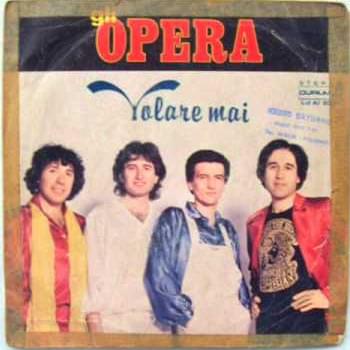
 View Artist