Song Meaning
The lyrics paint a picture of quiet contemplation, watching the day fade from a window. There's a palpable sense of longing for a more authentic existence, expressed through the narrator's repeated pursuit of hope within the confines of a room. This introspection quickly turns to a poignant imagining of future absence, a premonition of loss that already aches.
The central tension lies in the narrator's struggle with an impending, uncertain farewell. The phrase "Nasce e muore, amore mio" (is born and dies, my love) perfectly captures this ephemeral, almost contradictory feeling of love that exists and fades simultaneously. This internal conflict is amplified by the narrator's admission of being "Più fragile di me" (more fragile than me), highlighting a vulnerability that makes the anticipated goodbye particularly devastating.
The most striking aspect is the personification of nostalgia as both foreign and intimately theirs: "La nostalgia, già straniera e ancora mia" (Nostalgia, already foreign and still mine). This duality suggests a complex emotional state where the feeling of longing is both unwelcome and deeply ingrained. It's a sentiment that literally "Mi spezza il fiato" (takes my breath away), underscoring its overwhelming power and the narrator's desire to avoid this painful future.
Ultimately, the effectiveness of these lyrics stems from their raw, intimate portrayal of anticipatory grief. The simple, direct language, combined with the recurring motif of watching the day end, creates a mood of melancholic resignation. The narrator's vulnerability is laid bare, making the imagined future pain feel immediate and deeply resonant, even before the actual event occurs.
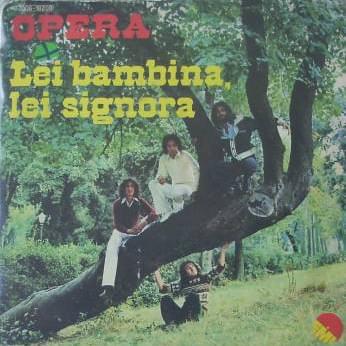
 View Artist