Song Meaning
The lyrics open on a vivid scene: a beautiful, old house filled with images of queens and flags, where someone waits for an Italian consul. The swift end of summer brings "black clouds" and falling leaves, as autumn arrives in Bengasi, described strikingly as "carico di lussuria" – laden with lust. This immediate shift from a grand, historical setting to a sensual, almost decadent natural world sets an intriguing, slightly unsettling tone.
This sensual natural imagery quickly collides with a stark geopolitical reality. The narrator points to "western arms dealers" and ministers crossing borders, urging them to "go make war in Tripoli." Soldiers' choruses rise in the sky, fighting against figures like "Al Mukhtar and Lawrence d'Arabia," yet they sing "popular tavern songs." This sharp contrast highlights the grim reality of conflict, juxtaposing the grand sweep of history and international politics with the mundane, almost casual, human element of war.
Cutting through this political tension is a recurring, enigmatic line: "Lo sai che è desiderio della mano l'impulso di toccarla." This intimate, almost whispered observation about the hand's impulse to touch feels deeply personal, a persistent human longing that stands in stark contrast to the external chaos of war and political maneuvering. It suggests a fundamental, perhaps vulnerable, human need for connection or sensation amidst the larger, impersonal forces at play.
Ultimately, the lyrics are effective because they masterfully weave together these disparate threads. The narrator's repeated assertion, "Ho scritto già una lettera al governatore della Libia," becomes a quiet act of agency, a persistent plea or protest against the backdrop of historical conflict and modern political corruption. This blend of the sensual, the personal, and the geopolitical creates a powerful, resonant commentary on human experience caught between desire and conflict.
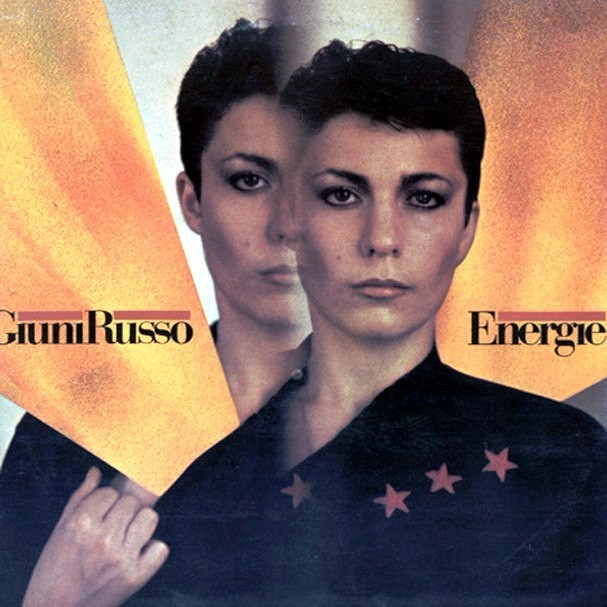
 View Artist