Song Meaning
The lyrics open with a disoriented "È strano, è strano," immediately signaling a mind adrift in "dissociazione totale." This internal chaos is directly tied to a "Crisi metropolitana," an urban overwhelm. The speaker longs to flee "nel Sud" before a "strano delirio" takes hold. It's a vivid snapshot of mental strain against a city backdrop.
The city itself becomes an antagonist, with "folla sui marciapiedi" and "traffico che picchia in testa" acting as direct assaults on the speaker's peace. This external pressure fuels an escalating internal turmoil, described as "una nevrosi di più" and a palpable "rabbia che ho." The metropolitan crisis isn't just a setting; it's a force actively shaping the speaker's deteriorating mental state.
The repetition of "È strano" and the echoing "Crisi metropolitana" throughout the verses underscore a cyclical, inescapable feeling of unease. This craft choice makes the urban chaos feel like a constant, intrusive thought. The desire to escape "nel Sud" offers a stark contrast to the oppressive city, hinting at a yearning for simplicity or calm away from the "traffico che picchia in testa." The lyrics suggest the urban environment is not just noisy, but physically painful.
Adding another layer, the speaker addresses a "you" with a complex, almost self-sabotaging plea: "Dimmi che mi ami di più Quando ti faccio star male." This suggests a relationship entangled with pain, where affection might be linked to distress. The declaration "Io mi dissocio da me" further deepens the sense of internal fragmentation. The abrupt, almost tender closing line, "'O sole mio sta in fronte a te," offers a sudden, poignant shift, perhaps a fleeting moment of beauty or a desperate reach for connection amidst the overwhelming crisis.
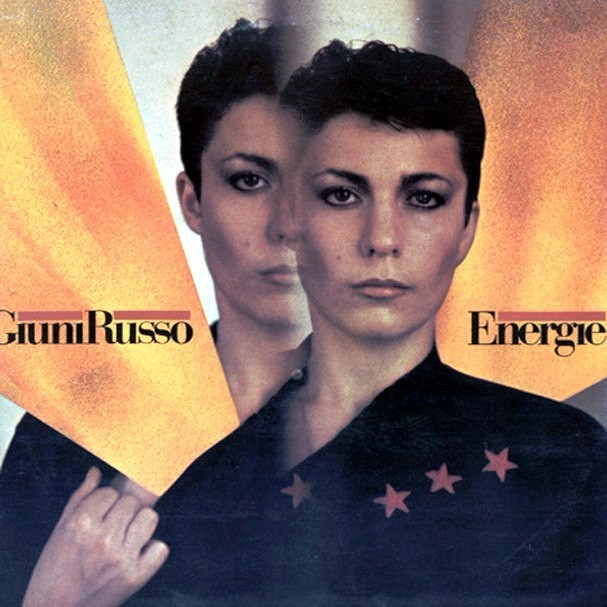
 View Artist