Song Meaning
The lyrics of "Anche se" grapple with a potent emotional conflict: the speaker's intense present love for someone whose past intimacies haunt them. It's a raw, almost desperate acceptance, framed by the recurring phrase "Anche se" (Even if). The speaker acknowledges the lover's history but ultimately chooses to override it with an overwhelming current need.
The central tension arises from the speaker's vivid imagination of the lover's past. They picture the same tender words, the "stesse parole," and the same physical reactions, like trembling at another's touch, that are now directed at them. This repetition, emphasizing "ogni giorno, ogni notte," underscores how deeply these comparisons resonate, creating a palpable sense of jealousy or insecurity that permeates the early stanzas.
Yet, the most striking craft element is the abrupt pivot from painful introspection to resolute denial. The speaker declares, "non voglio chiederti niente," actively choosing ignorance over the torment of past details. This isn't a casual dismissal; it's an existential necessity, as the speaker claims, "Ho bisogno di amarti per vivere." This powerful assertion transforms the acceptance from passive tolerance into an active, life-sustaining decision.
Ultimately, these lyrics are effective because they don't shy away from the messy reality of love that confronts a past. The initial vulnerability makes the speaker's final, almost philosophical, declaration – "La vita non ha ieri ed il domani è... È già qui" – incredibly impactful. It's a self-imposed amnesia, a forceful embrace of the present moment as the only one that truly matters, driven by a profound, almost desperate, need for the lover.
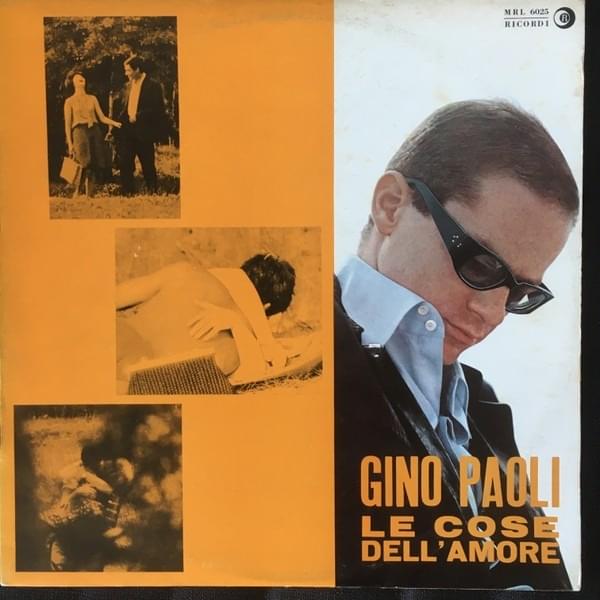
 View Artist