Song Meaning
The lyrics paint a picture of a simple, almost idyllic past centered around a specific cat and a humble attic dwelling. The narrator recalls a time when playing the guitar brought a magical response: the cat purred, and a little star descended close enough to smile before returning to the sky. This scene, set in a "vecchia soffitta vicino al mare" with a window "a un passo dal cielo blu," evokes a sense of wonder and gentle companionship. The imagery is stark and childlike, focusing on the black spot on the cat's face and the proximity to the vast blue sky.
The core tension arises from the stark contrast between this past and the narrator's present. They explicitly state, "Ora non abito più là / Tutto è cambiato." The new dwelling is described as "bellissima / Bellissima come vuoi tu," suggesting material comfort and perhaps a life that meets external expectations. However, this new reality is underscored by a profound sense of loss, as the narrator can no longer see the "stellina" that once visited. The beautiful new house feels hollow without the simple magic of the past.
The most striking aspect of the craft is the repetition and the subtle shift in focus. The initial description of the cat and attic is pure nostalgia. But when the narrator revisits these elements in the present, the emphasis changes. The cat with the black spot and the attic by the sea remain, but the crucial detail is that the star, the element of magic and connection, is now gone. This highlights how even with material improvements, a fundamental element of joy or wonder has been lost, leaving the narrator longing for what was.
What makes these lyrics resonate is their quiet melancholy and the way they capture a universal feeling of nostalgia for simpler times. The specific, almost mundane details—a cat's spot, an attic window—become imbued with profound emotional weight because they are tied to a lost sense of magic. The contrast between the "bellissima" house and the absent star underscores the idea that true contentment isn't always found in outward appearances or material wealth, but in the intangible moments of connection and wonder that can fade with time.
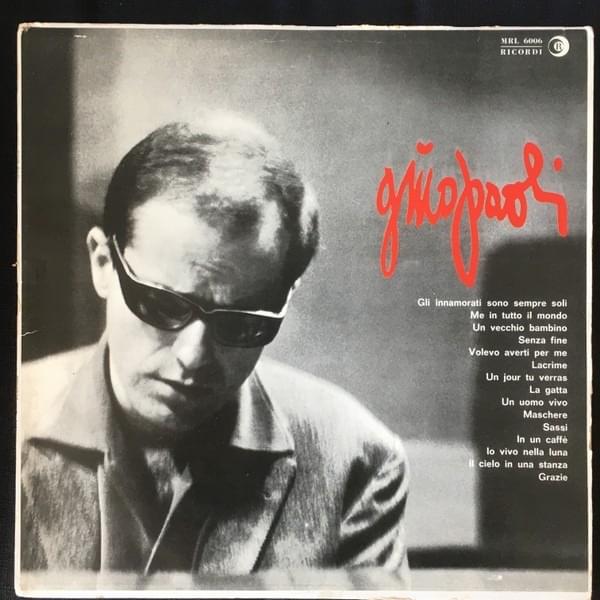
 View Artist