Song Meaning
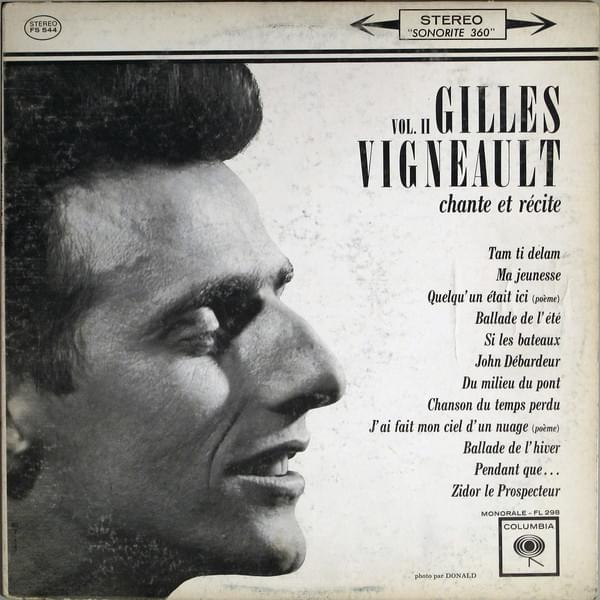
Gilles Vigneault's "Chanson du temps perdu" isn't a lament so much as a quiet reckoning. The song meaning circles around the paradoxical tension between wasted time and the urgency of connection. The opening lines, "Il n'y a plus de temps à perdre/Il n'y a que du temps perdu" (There is no more time to lose/There is only time lost), immediately set the stage. It's a declaration that the past is gone, and all that remains is how we navigate the present. The repetition throughout the song emphasizes the cyclical nature of regret and the potential for redemption within it. Vigneault doesn't wallow; instead, he pivots toward intimacy as a form of salvation. The lyrics urge closeness—touch, shared steps, whispered names—as a way to reclaim meaning from the perceived void.
The emotional core of "Chanson du temps perdu" lies in its understanding of love as both a victim and a victor. The lines "Pleuve et pleure, on a vendu/Amour" (Rain and cry, we sold/Love) suggest a betrayal, a compromise of the heart for some external gain. Yet, the song doesn't end in despair. There's a subtle but crucial shift in the final verse: "Change et chante, on a trouvé/Amour" (Change and sing, we found/Love). This suggests the possibility of rediscovering love, perhaps in a different form, even amidst the ruins of the past. It's not about erasing the lost time, but about transforming it into something meaningful.
Ultimately, Gilles Vigneault offers a nuanced perspective on time and love. "Chanson du temps perdu" acknowledges the sting of regret and the pain of lost opportunities, but it refuses to succumb to nihilism. The song suggests that even in the face of irreversible loss, the potential for connection and the rediscovery of love remain. The simplicity of the language, combined with the depth of the emotional landscape, makes this a timeless meditation on the human condition. It speaks to the mature understanding that life is not about avoiding loss, but about finding ways to create meaning within it. The haunting melody and Vigneault's sincere delivery only amplify the song's profound message.
 View Artist