Song Meaning
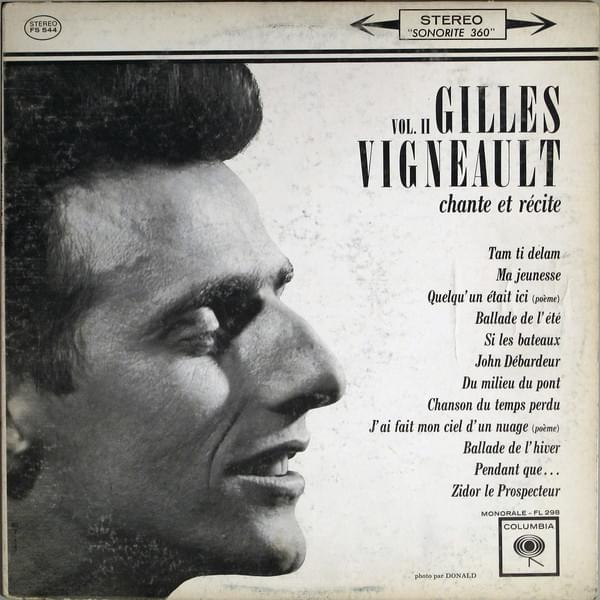
Gilles Vigneault's "Ballade de l'hiver" unfolds as a poignant meditation on aging, artistic legacy, and the bittersweet dance between creator and audience. The opening lines lament "temps perdu" and unwritten "rimes," immediately establishing a tone of regret and perhaps even a touch of artistic self-doubt. He paints himself as a "baladin" – a wandering minstrel – of winter, suggesting a performer whose relevance might be fading with the changing seasons of life. The plea for forgiveness for a past "crime" is intriguing, hinting at a possible transgression against artistic integrity or perhaps a failure to fully capture the human experience in his work. This framing invites us to consider the psychological burden artists carry, the constant self-evaluation against the elusive ideal of perfect expression.
The subsequent stanzas offer a stark yet beautiful tapestry of winter imagery: biting winds, fractured wood, hibernating bears, and the relentless toil of the trapper. These images aren't merely descriptive; they represent the harsh realities of life, the trials and tribulations that shape the human spirit. Vigneault, as the "baladin," promises to deliver these truths, unfiltered, to his audience. The mention of a "Saint Nicolas qui s'anime / Plus vert que les vieux sapins verts" introduces a flicker of hope and renewal amidst the bleak landscape, a promise of life persisting even in the depths of winter. The "neige imprime" suggests the indelible mark that experience leaves on us, a theme that resonates deeply within the song's exploration of memory and time.
As the "Ballade de l'hiver" progresses, Vigneault sheds the mask of the performer, promising an homage "sans masque ni grime." This act of vulnerability is central to the song's meaning. He yearns to connect with his audience on a deeper, more authentic level, beyond the artifice of performance. The lines "Je veux donner un pseudonyme / Au baladin de vos hivers" speak to a desire for reinvention, a shedding of the old persona to embrace a new artistic identity. Perhaps this signals a move away from past expectations and a claiming of artistic freedom.
The final verse, addressed to an unnamed "Prince," is a heartfelt plea for understanding and acceptance. Vigneault asks for "plus d'amour que d'estime," recognizing that true connection transcends mere admiration. It is a request for empathy, for a recognition of the shared human experience that binds artist and audience together. In its totality, "Ballade de l'hiver" transcends a simple winter's tale, offering a profound commentary on the human condition, the burdens and joys of artistic expression, and the enduring power of connection.
 View Artist