Song Meaning
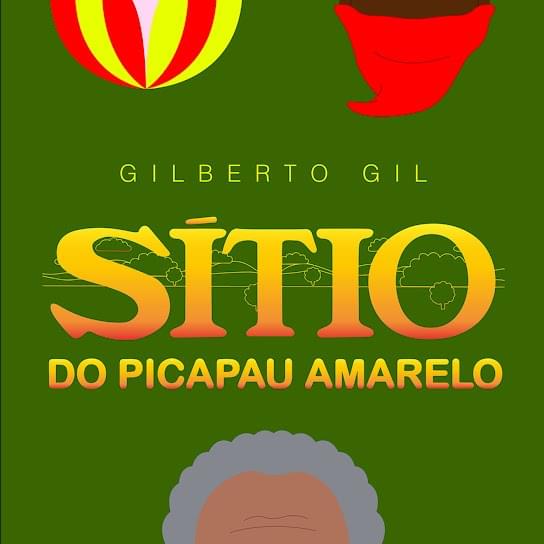
Gilberto Gil's "Sítio do Picapau Amarelo" isn't just a song; it's a portal. A portal, specifically, to the Yellow Woodpecker Farm, a fictional and deeply beloved setting in Brazilian children's literature. The song's simple, repetitive structure acts as a hypnotic invitation, drawing listeners into a world where the mundane transforms into the magical. More than just a jingle, Gil's rendition taps into the collective unconscious of a nation, summoning a shared cultural touchstone. The song meaning lies in its ability to evoke nostalgia and a sense of childlike wonder, a reminder of simpler times and unbridled imagination.
The lyrics themselves are deceptively straightforward. References to sweets like "marmelada de banana" and "goiabada de marmelo" aren't merely descriptions of treats; they represent the sensory delights and comforting familiarity of childhood. The lines "Boneca de pano é gente / Sabugo de milho é gente" (Rag dolls are people / Corn cobs are people) highlight the animistic worldview of children, where inanimate objects possess life and personality. This perspective, celebrated in the song, challenges the rigid boundaries of the adult world, suggesting that imagination can breathe life into anything.
Ultimately, "Sítio do Picapau Amarelo" is a celebration of the power of imagination and the enduring appeal of childhood fantasy. The repeated invocation of the "Sítio" acts as a mantra, reinforcing the listener's connection to this fantastical place. Lines like "Rios de prata piratas / Voo sideral na mata" (Silver rivers pirates / Sidereal flight in the forest) paint vivid pictures of adventure and escapism. The song's bright, upbeat tempo further enhances this sense of joy and freedom, solidifying its place as a timeless classic within Brazilian culture. It’s a reminder that sometimes, the most profound truths are found not in complex philosophical arguments, but in the simple, unadulterated joy of a child's imagination.
 View Artist