Song Meaning
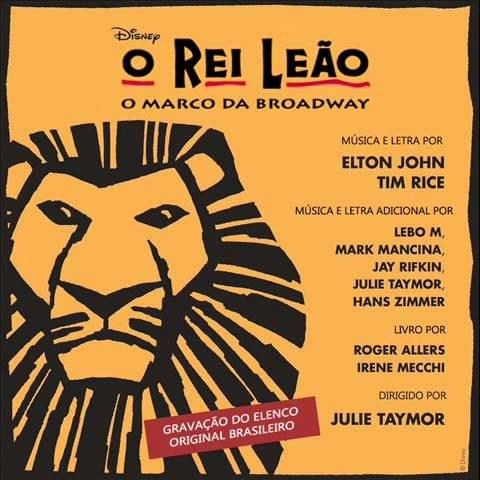
Gilberto Gil's "Sin Ti" isn't just a song; it's a sonic tapestry woven with threads of Zulu, Xhosa, and Portuguese, creating a powerful anthem of leadership and cyclical existence. The repeated invocation of "Busa Simba" – "Rule, Simba" – immediately evokes the imagery of Disney's *The Lion King*, but the lyrics transcend mere cinematic reference. The Swahili phrases, "Ndabezitha Nkosi yethu Mohli wezwe lethu," translate to "Our lord, our king, savior of our land," establishing Simba not just as a ruler, but as a messianic figure, a symbol of hope and rightful governance. This isn't about a cartoon lion; it's a broader invocation of just and benevolent leadership, a yearning for a ruler who embodies wisdom and compassion. The song seems to be using Simba as a metaphor for any leader who is just.
The plea for Simba to "Busa le lizwe bo / Lethu busa ngoxolo" – "Rule this land / Rule us with peace" – underscores the deep desire for stability and harmony. It's a prayer for leadership that prioritizes peace and unity above all else. This resonates powerfully in a world often fractured by conflict and division. The intermingling of languages itself becomes a statement, suggesting a pan-African ideal of unity and shared destiny. The Zulu and Xhosa verses create a sense of collective identity, amplifying the song's message beyond any single culture or nation. The phrases "Ubuse ngo thando / Ubuse ngo xolo" (Rule with love / Rule with peace) are also very telling, since it is a cry for a better world.
The latter part of the song, sung in Portuguese, shifts the focus to the "ciclo da vida" – the circle of life. This isn't just a reiteration of a familiar theme; it's a philosophical grounding of the song's political message. The cyclical nature of life, with its transitions from "dor à fé" (pain to faith), highlights the resilience of the human spirit and the enduring hope for a better future. The "ciclo da vida" provides context for the need of a great leader. This cycle "moves all of us" and "guides all of us." The yearning for a just ruler, represented by Simba, becomes part of this larger cosmic dance, a constant striving for balance and harmony within the ever-turning wheel of existence. In its totality, "Sin Ti" is a plea for enlightened leadership, couched within a profound understanding of life's cyclical nature.
 View Artist