Song Meaning
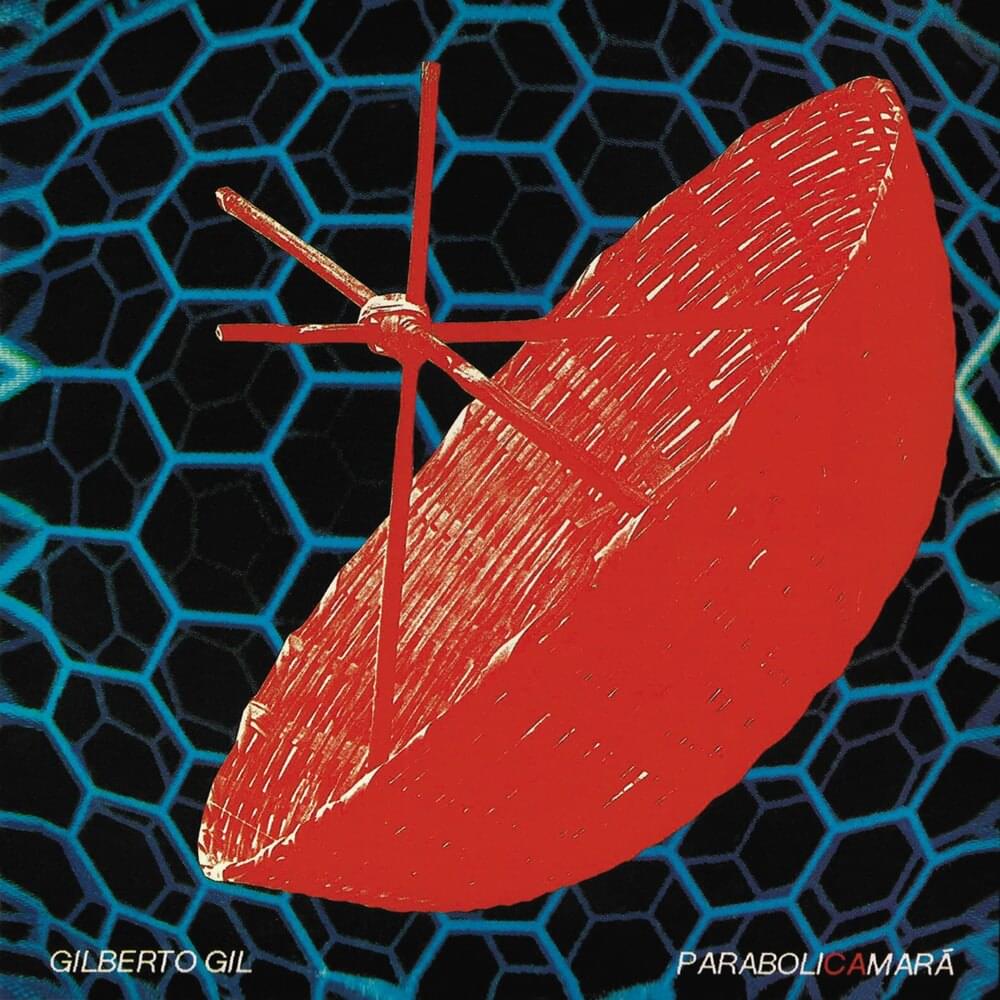
Gilberto Gil's "Parabolicamará" isn't just a song; it's a compact history of globalization viewed through a uniquely Brazilian lens. The title itself, a portmanteau of "parabolic antenna" and "camará" (a term of endearment and camaraderie), immediately sets the stage: technology collapsing distance, yet filtered through the warmth of human connection. The lyrics explore the compression of time and space, contrasting a world once vast and defined by physical limitations with a present where distances shrink to the size of an antenna's reach. The opening lines, "Antes mundo era pequeno / Porque Terra era grande / Hoje mundo é muito grande / Porque Terra é pequena," cleverly illustrate this paradox: technology expands our reach, paradoxically making the world feel smaller and more accessible. This accessibility, however, comes with a cost – a potential loss of depth and lived experience.
Gil juxtaposes traditional modes of transport, like the "jangada" (a small fishing raft) and "saveiro" (a traditional sailing vessel), representing a slower, more deliberate pace of life, against the instantaneous speed of modern communication. The "jangada leva uma eternidade / De saveiro leva uma encarnação" lines evoke a sense of timelessness, a connection to ancestral rhythms, while "Pela onda luminosa / Leva o tempo de um raio" speaks to the disorienting speed of the digital age. The song delicately probes the psychological impact of this accelerated world. Is something lost when the journey, the process, is bypassed in favor of instant gratification? Does the compression of time diminish our capacity for patience, for contemplation?
Furthermore, the references to "Chico, Ferreira e Bento" in the line "Só souberam na hora do destino apresentar" inject a somber note, hinting at the unpredictable and often tragic nature of fate, regardless of technological advancement. Even with our ability to traverse the globe in hours, we remain subject to the whims of destiny. Ultimately, "Parabolicamará" invites us to consider the human cost of progress, urging us to find a balance between embracing the interconnectedness of the modern world and preserving the essential rhythms of human experience. The recurring refrain, "Ê, volta do mundo, camará / Ê-ê, mundo dá volta, camará," acts as a cyclical reminder of both the world's constant change and the enduring spirit of community that grounds us amidst the whirlwind.
 View Artist