Song Meaning
Gilberto Gil's "Nos Barracos da Cidade" doesn't mince words: it's a raw, unflinching portrait of systemic failure. The song meaning isn't buried in metaphor; it's plastered on the favela walls. Gil paints a picture of urban decay where the illusion of authority has evaporated. Residents of the shantytowns, the 'barracos,' have lost faith in any top-down solution. The powers that be, whether capable or not, are unwilling to confront the 'shark' – likely a metaphor for exploitative economic forces. This sets the stage for a condemnation of the powerful who perpetuate the cycle of poverty.
The lyrics analysis reveals a deep cynicism towards political promises. The governor makes pledges, but 'the system says no.' Gil identifies the core problem: greed. Enormous profits are at stake, and those in control refuse to cede even a fraction, even though that small concession 'would already be the solution.' This isn't just about economics; it's a moral indictment. The 'usura' – the exploitation – has become a deformity, a deeply ingrained flaw in the character of the ruling class. The song suggests that this moral failing is a disease, festering within the structures of power.
The repeated chorus of 'Gente estúpida, gente hipócrita' ('Stupid people, hypocritical people') is the emotional core of the song. It's a primal scream of frustration. It's not just about policy; it's about the human element – the stupidity and hypocrisy that allow injustice to thrive. The simplicity of the chorus amplifies its impact. It's a universal condemnation that transcends the specific context of the favelas, indicting anyone who turns a blind eye to suffering or actively perpetuates inequality. The repetition drives home the point: this is a never-ending cycle, fueled by the moral failings of those in power.
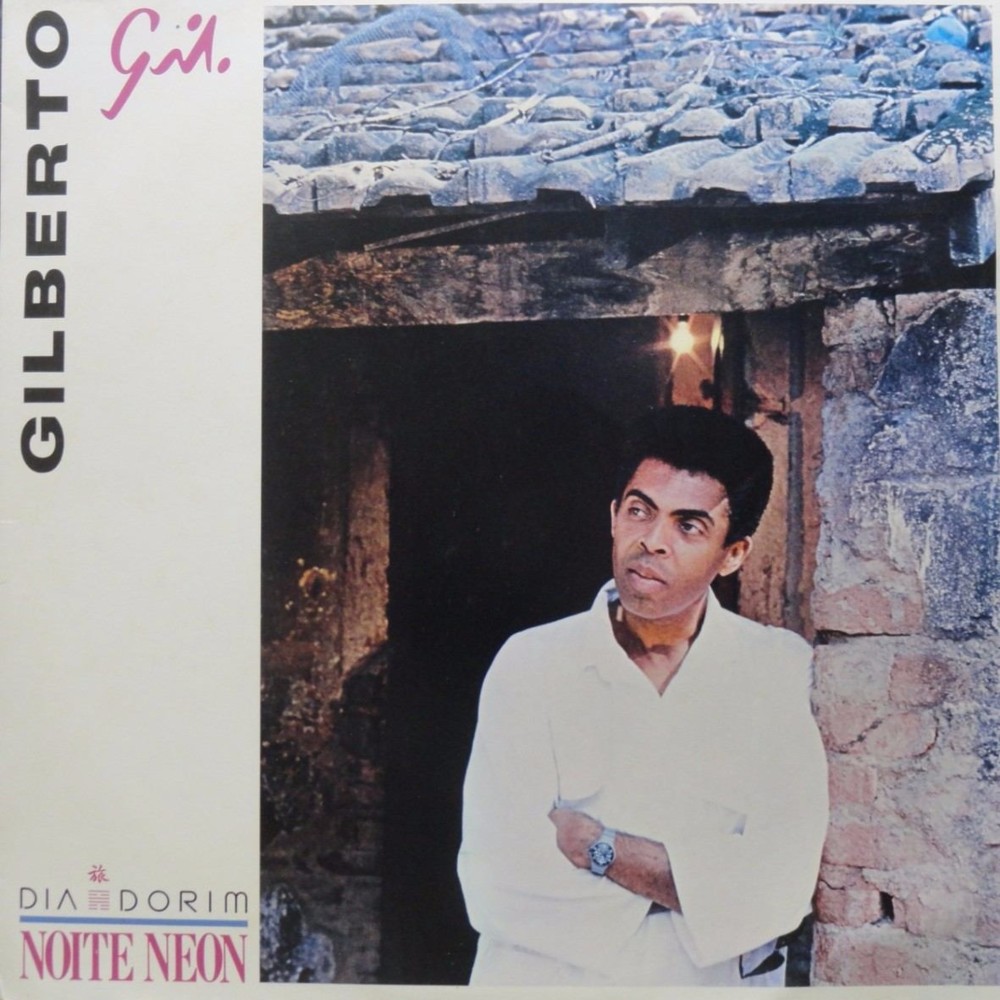
 View Artist