Song Meaning
Gilberto Gil's "La renaissance africaine" isn't just a song; it's a declaration. Sung in French, it immediately positions itself within a specific cultural and historical context, nodding to the complex relationship between Africa and its former colonizers. The lyrics paint a portrait of African dignity, deeply rooted in nature, spirituality, and history. The 'baouba' (baobab) serves as a potent symbol, encapsulating the vastness and resilience of African heritage. It is not merely a tree, but a living archive. The chorus, repeating 'La renaissance africaine,' acts as a mantra, reinforcing the idea of a rebirth, a reclaiming of identity and power. The infectious rhythm mirrors this sense of forward momentum.
Beyond simple pride, Gil's lyrics delve into Africa's potential to reshape the world. He speaks of 'wisdom and vigor,' suggesting that Africa holds the keys to building a truly civilized world. This isn't just about Africa's past; it's about its future influence. The diaspora is acknowledged, recognizing the spread of African spirit and innovation across continents. Even in Europe and America, 'l'esprit d'Afrique' thrives. This speaks to the enduring power of cultural identity and its ability to transcend geographical boundaries. The song subtly challenges Eurocentric perspectives, positioning Africa not as a continent in need of saving, but as a source of innovation and wisdom.
Ultimately, "La renaissance africaine" is a celebration of Black beauty, strength, and cultural richness. Gil acknowledges the continent's age and the legacy of its mythology. But it's the future that truly captivates him. The song operates on multiple levels: it's a call for cultural pride, a statement of political intent, and an optimistic vision of Africa's role in shaping a more equitable and enlightened world. The song's power resides in its ability to connect the historical weight of the past with the vibrant possibilities of the future, all while maintaining an irresistible sense of rhythm and joy.
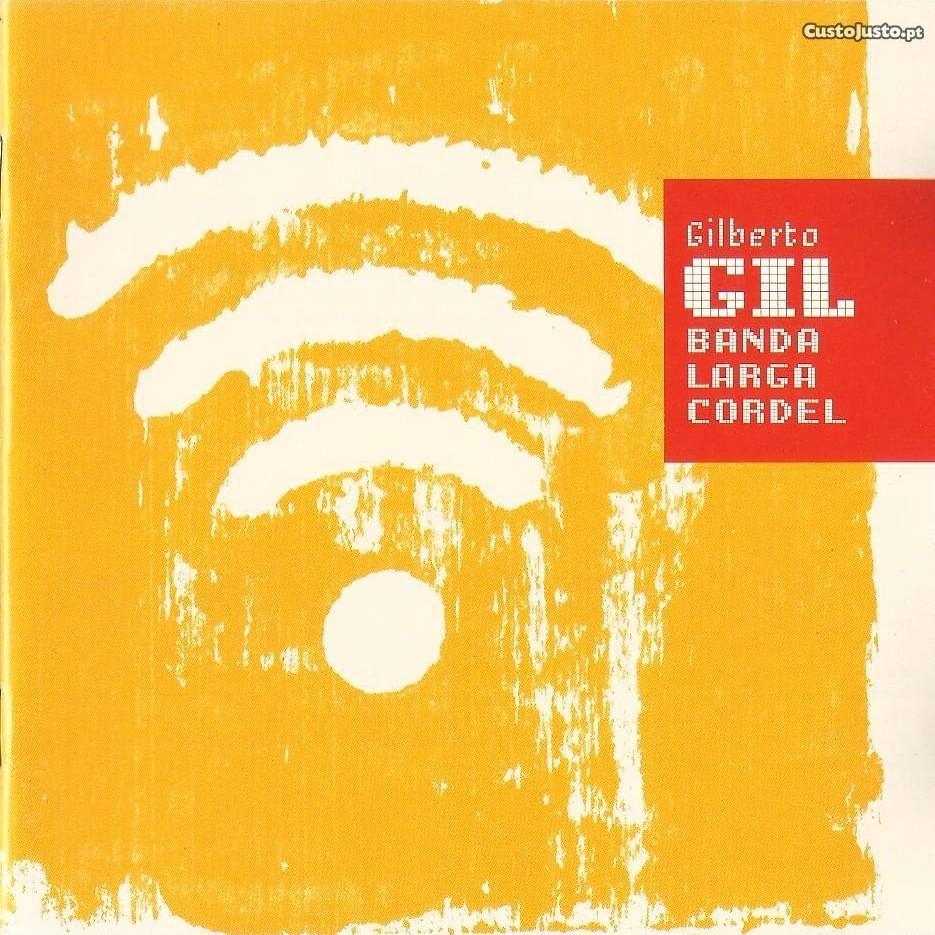
 View Artist