Song Meaning
Gilberto Gil's "Drão" is a masterclass in Brazilian popular music, a deceptively simple song that unpacks complex ideas about love, loss, and resilience. The title itself, "Drão," a nickname for his then-wife Sandra Gadelha, immediately personalizes the track, transforming it into an intimate address. But do not mistake intimacy for simplicity, this is a sophisticated and philosophical reflection on relationships. Gil uses the metaphor of a seed ("grão") to represent love, suggesting that it must "die to germinate," a potent image of transformation and rebirth. This isn't naive romanticism; it's a recognition that love requires sacrifice and constant renewal to survive. The lyrics analysis reveals a cyclical view of love, where death and rebirth are not endpoints but continuous processes. The reference to a "hard walk on a dark road" speaks to the challenges inherent in any long-term commitment.
There's a profound tension in "Drão" between the desire for permanence and the acceptance of change. Gil acknowledges the temptation to avoid separation but urges listeners not to "shatter the heart." He posits that true love is "vain" in the sense that it's boundless and transcends physical limitations. The image of an "immense monolith" suggests both strength and vulnerability, a testament to the enduring power of love despite its fragility. The later verses introduce themes of guilt and forgiveness, with Gil claiming responsibility for all sins and pleading for compassion. This is where the song's psychological depth truly shines; it's an honest appraisal of personal failings within a relationship.
Ultimately, “Drão” is about the enduring nature of love. The repeated question, "Who can make that love die?" is not a challenge but a rhetorical affirmation. Gil suggests that love, like a seed, possesses an inherent life force that resists destruction. Even in the face of hardship, betrayal, or personal shortcomings, the potential for renewal remains. The final lines, comparing love to wheat that dies and is reborn as bread, encapsulate this idea beautifully. It is a simple yet elegant expression of love's transformative power and its capacity to nourish us even after periods of apparent decay. The song's meaning lies not in a denial of pain but in an embrace of the cyclical nature of life and love.
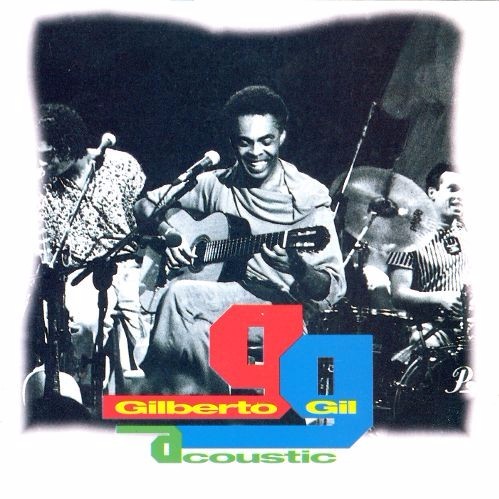
 View Artist