Song Meaning
Gilberto Gil's "SENSI DI COLPA" isn't a gentle invitation; it's a sonic boundary marker. The insistent repetition of "Xô xuá" acts as both a ward and a dismissal, a rhythmic waving away of unwanted presences. At its core, the song meaning revolves around themes of cultural ownership and the rejection of imposed narratives. The phrase "Cada macaco no seu galho" (each monkey on its branch) is deceptively simple, hinting at a deeper desire for autonomy and self-determination. It's a refusal to be homogenized, a demand for recognition of distinct cultural spaces. But it's charged, loaded with the history of racial slurs, and in Gil's hands, transforms into a reclamation of identity.
The lyrics directly confront an unnamed "moço da cabeça grande" (young man with a big head), likely representing an imposing, perhaps colonial, figure. The pointed lines, "Você vem não sei de onde / Fica aqui não vai pra lá" (You come from I don't know where / Stay here, don't go there), suggest a critique of those who attempt to occupy or dictate the cultural landscape without genuine understanding or respect. There's a palpable frustration with outsiders who overstay their welcome, clinging to outdated and damaging stereotypes.
Perhaps the most potent imagery lies in the lines addressing the "mãe preta ser leiteira" (black mother being a milkmaid). This alludes to the historical exploitation and sexualization of Black women, particularly in Brazil, where they were often forced to nurse the children of white families while neglecting their own. The sharp retort, "Já encheu sua mamadeira / Vá mamar noutro lugar" (Already filled your baby bottle / Go nurse somewhere else), is a visceral rejection of this legacy. It's a refusal to continue serving as a source of sustenance for those who perpetuate inequality. Gil’s declaration that "O meu galho é na Bahia" (my branch is in Bahia) reinforces the importance of place, roots, and cultural heritage as bulwarks against external forces. It’s about drawing a line and defending one's cultural territory, both literally and figuratively.
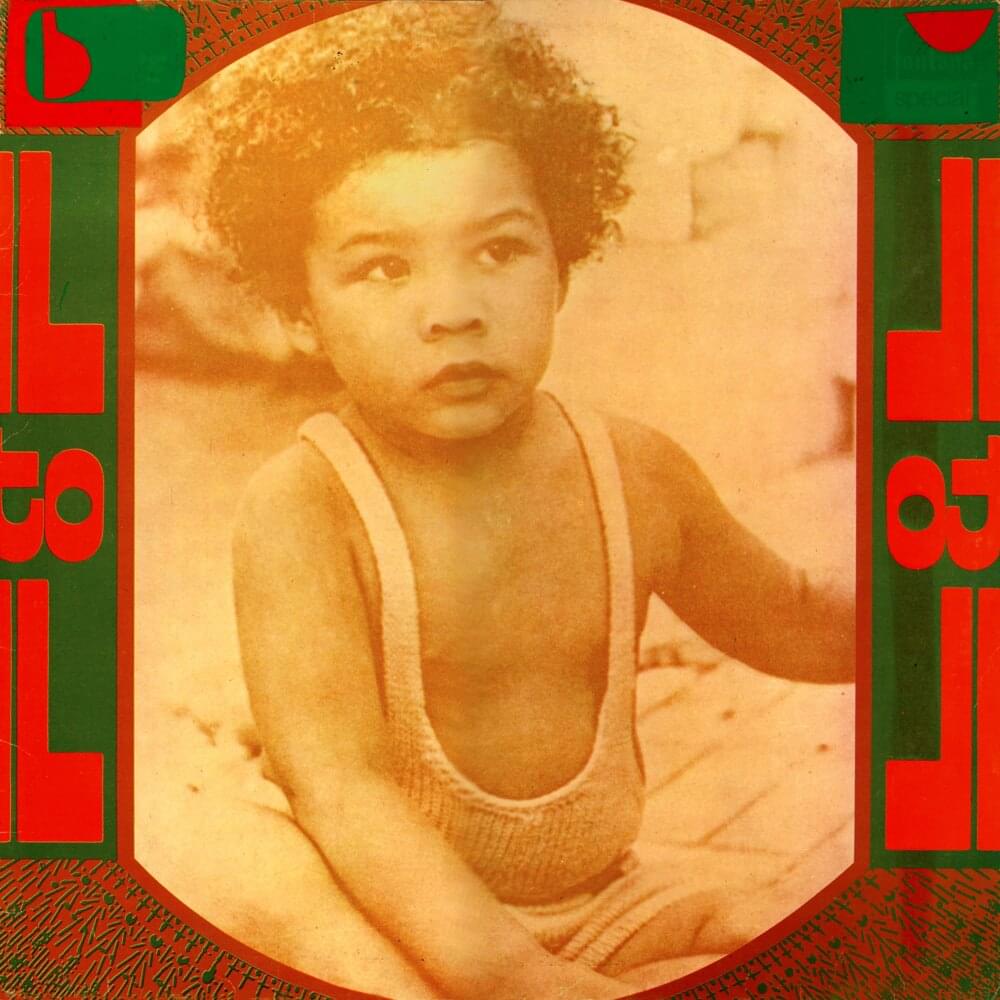
 View Artist