Song Meaning
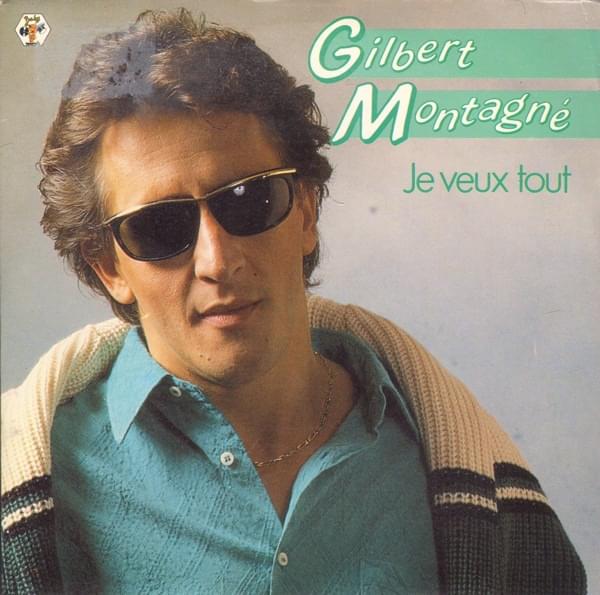
Gilbert Montagné's "Je Veux Tout" isn't a simple declaration of greed, but a complex yearning for completeness born from embracing the imperfect. The song's core appeal lies in its paradoxical demands: a spring devoid of birdsong, violins without pianos, walled forests, and scorched oceans. These seemingly negative requests aren't about seeking out ugliness, but rather a desire to find beauty and, crucially, something *left* to love in the discarded and broken corners of the world. It's a powerful inversion, suggesting that true appreciation comes not from pristine perfection, but from the act of cherishing what others have overlooked. Montagné, an artist who has navigated his own challenges and triumphs, perhaps understands this better than most.
The recurring image of the "bateau de l'espoir" (boat of hope) and "bateau de l'amour" (boat of love) acts as a vessel for inclusivity, a floating ark populated by society's outcasts and archetypes: zombies, wanderers, losers, and even Caesars. The juxtaposition of doves and vultures further emphasizes this all-encompassing embrace. This "boat" isn't selective; it welcomes everyone, suggesting a radical acceptance of humanity in all its flawed glory. "Je Veux Tout" becomes a powerful statement about unity and shared experience, finding solace and connection amidst the ruins.
Ultimately, the song meaning rests on Montagné's central desire: to love the unloved. He asks for a child without a cradle, a woman without flaws, imprisoned horses, and parched deserts – all symbols of vulnerability and unmet needs. This isn't about dwelling on negativity, but about actively seeking out opportunities for compassion and empathy. "Je Veux Tout" is a call to action, urging listeners to look beyond superficial beauty and find value in the marginalized, the broken, and the forgotten. It's in these spaces, Montagné suggests, that true love and hope reside.
 View Artist