Song Meaning
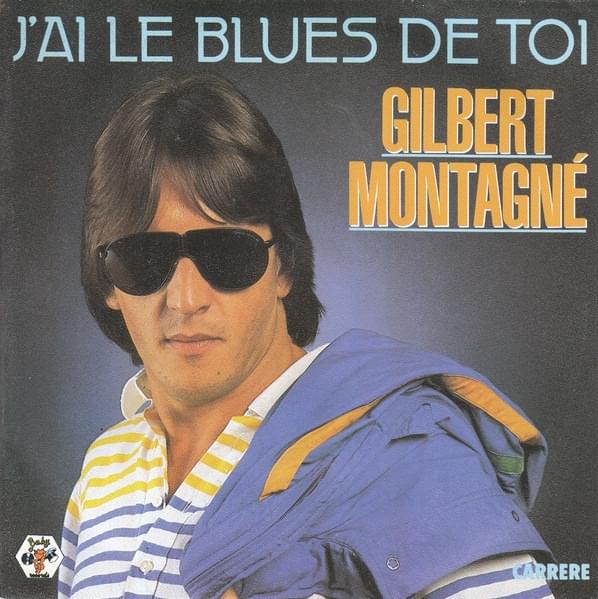
Gilbert Montagné's "J'ai le blues de toi" isn't just a lament; it's a raw, almost masochistic plunge into the depths of love-sickness. The opening lines, "Un goût d'alcool déchire ma peau / Tous mes bateaux portent ton drapeau," immediately establish a landscape of self-inflicted pain and total surrender. The narrator is utterly consumed, every aspect of his being branded by the absent lover. This isn't a gentle yearning; it's a visceral, almost violent dependency. The burning of paper airplanes, the lover's face plastered across his metaphorical journal cover – these are images of obsession, of a present relentlessly haunted by the ghost of a past relationship. He's not just missing someone; he's actively reconstructing them in his mind, ensuring the pain remains fresh. The reference to "fleurs du mal" (flowers of evil) suggests a Baudelairean embrace of the darkness, finding a perverse beauty in the suffering itself.
The chorus, the heart of the song and its analysis, lays bare the core issue: "J'ai le blues de toi / Sans qui j'ai tant de mal à être moi." This isn't just about missing a partner; it's about a fractured sense of self. The narrator's identity is so deeply intertwined with the object of his affection that their absence leaves him feeling incomplete, fundamentally broken. This speaks to a potential codependency, a psychological state where self-worth is derived entirely from the relationship. The line "J'avais envie de faire mon ciel dans ton enfer" reveals a desire to be a savior, to find redemption within the other person's darkness, a potentially destructive pattern often seen in relationships built on unstable foundations. It's an attempt to control the uncontrollable, to fix what is inherently broken, and the failure of this attempt is what drives the "blues."
The second verse reinforces the theme of obsessive remembrance and a distorted perception of time. "Nos souvenirs explosent ma tête / Notre avenir est un vieux gadget" highlights the contrast between the idealized past and the bleak, discarded future. The lover's "violons de mélancolie" aren't just sad; they drive him to the brink of madness. The calendar, a symbol of measured time and forward progression, is instead a constant reminder of the absent lover's pervasive influence. Ultimately, Gilbert Montagné's "J'ai le blues de toi" exposes the vulnerability and potential for self-destruction inherent in deep emotional attachment. It's a song about the agony of absence, but also about the dangerous allure of losing oneself in another person.
 View Artist