Song Meaning
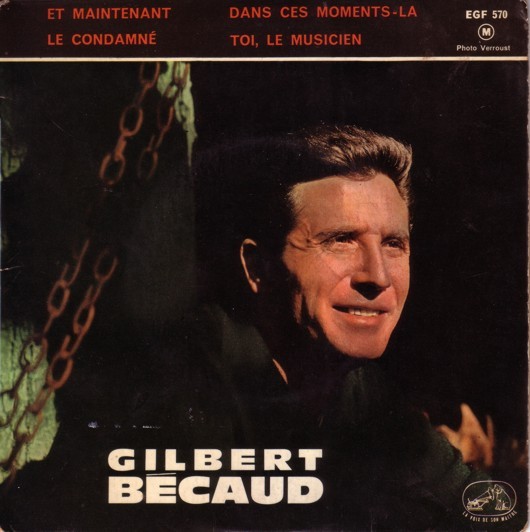
Gilbert Bécaud's "Et Maintenant" (often referred to as "What Now My Love" in its English adaptation) is a raw, existential portrait of abandonment. The song meaning isn't simply about heartbreak; it's about the void that remains when a foundational love disappears. Bécaud doesn't just lament the loss of a partner; he grapples with the meaninglessness that permeates everything in her absence. The opening lines set the stage: "Et maintenant que vais-je faire / De tout ce temps qui sera ma vie" (And now what am I to do / With all the time that will be my life). This isn't just sadness; it's a confrontation with an empty future. The question hangs heavy, unanswered, throughout the song. It's an honest expression of the shock and disorientation that accompany profound loss. It mirrors a common psychological response: the struggle to redefine oneself when a primary relationship ends. The repetition of "pourquoi, pour qui" (why, for whom) underscores the singer's shattered sense of purpose.
The lyrics reveal a descent into a kind of nihilistic despair. Even the vibrant backdrop of Paris offers no solace; instead, "Même Paris crève d'ennui / Toutes ses rues me tuent" (Even Paris is dying of boredom / All its streets are killing me). The world, once a source of joy or at least neutral experience, now actively wounds him. This is a classic symptom of grief, where the external world reflects the internal state of pain. The mention of friends offering kindness is met with a sense of helplessness ("Vous savez bien que l'on n'y peut rien" - You know well that nothing can be done about it), highlighting the isolating nature of deep sorrow. The singer anticipates a future where he will attempt to cope through denial and even hatred ("Je vais en rire pour ne plus pleurer / Au matin je te haïrai" - I will laugh so as not to cry anymore / In the morning I will hate you). This oscillation between grief and anger is a common defense mechanism, a desperate attempt to regain control over overwhelming emotions.
Ultimately, "Et Maintenant" confronts the listener with the stark reality of human vulnerability. The final verses suggest a weary acceptance of the inevitable, a quiet resignation to a lonely end. The lines "Pas une fleur et pas de pleurs / Au moment de l'adieu" (Not a flower and no tears / At the moment of farewell) paint a picture of a solitary death, devoid of sentimentality. Bécaud's song, therefore, transcends a simple love ballad. It becomes a meditation on the fragility of existence, the profound impact of human connection, and the daunting task of navigating life when that connection is severed. The raw honesty and emotional depth of the lyrics ensure that the song continues to resonate with anyone who has experienced the disorienting pain of loss. It is a testament to the power of music to articulate the most profound and unsettling aspects of the human condition.
 View Artist