Song Meaning
The lyrics paint a stark picture of autumnal loneliness, opening with a visceral hatred for September evenings and the crisp air that seems to sharpen memories of absence. The narrator is trapped in a cycle of self-inflicted pain, finding a perverse comfort in dwelling on a specific, unnamed 'you.' This isn't just passive sadness; it's an active engagement with sorrow, a deliberate choice to 'play with this pain.'
This feeling of isolation is amplified by mundane, almost pathetic imagery. The narrator is stuck in pajamas, staring at a static screen, feeling utterly lost. The desperate cry for help goes unheard, emphasizing a profound disconnect from others, especially a significant 'lei' who seems oblivious. The routine of waiting for the news and then going to bed highlights a life devoid of excitement or connection, a stark contrast to the desire to 'fly.'
The most striking aspect is the perspective from the 'ultimo piano' – the top floor. From this vantage point, the narrator observes the city lights, each one a potential window into another life, another connection. The poignant question, 'Da quale finestra accesa stasera sei chiusa,' directly addresses the absent 'you,' wondering if they are also trapped, and who might be the one to 'turn off the light' on their life. This external observation underscores the narrator's own confinement and the painful realization that others might be experiencing similar, or perhaps even more intimate, forms of isolation.
The effectiveness of these lyrics lies in their raw, unvarnished portrayal of emotional paralysis. The contrast between the desire to escape ('vorresti volare') and the reality of being stuck ('invece rimani') is palpable. The chilling final lines, 'Comunque qui fuori fa freddo / Meglio rientrare e non pensarci più,' offer a bleak resolution: an attempt to suppress the pain by retreating further into the self, shutting out the cold and the uncomfortable thoughts, but without any real sense of peace or resolution.
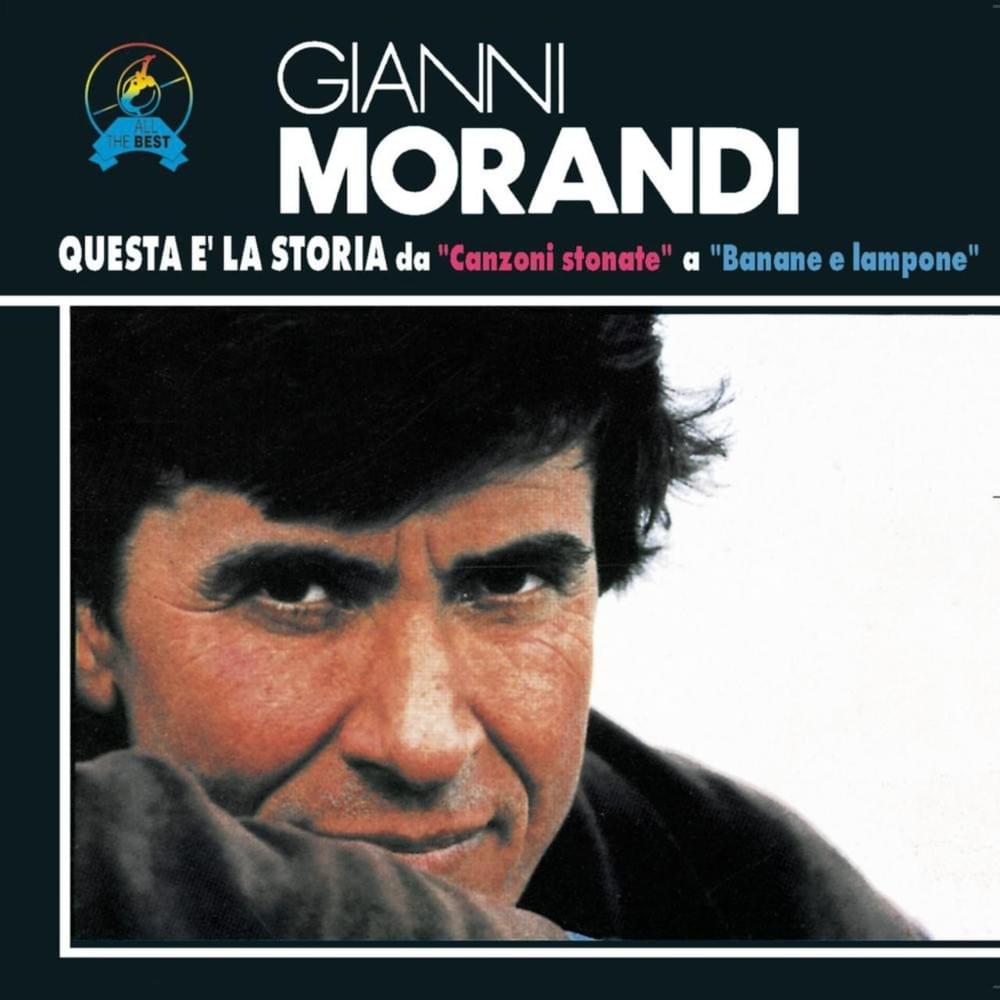
 View Artist