Song Meaning
This Italian ballad paints a stark picture of love's ephemeral nature, reducing a grand passion to mere smoke. The opening lines immediately establish a tone of disillusionment, stating, "It's smoke and nothing more / This great love." The narrator seems to be addressing someone who is still caught in the illusion of a powerful, lasting romance, but the lyrics insist that these are just "dreams that burn your heart." The dominant emotion is a weary resignation, a sense that the intensity of love inevitably fades into nothingness.
The central tension lies between the perceived magnitude of the love and its ultimate, insubstantial outcome. The lyrics question the desire to live "among so many bitternesses," suggesting a futility in clinging to a love that is destined to vanish. There's a poignant contrast between the belief in eternal love ("You will believe you love / Forever") and the harsh reality that "only smoke will remain." This highlights the painful gap between romantic ideals and lived experience.
The most striking aspect of the craft is the persistent, almost oppressive, repetition of "fumo e niente più" (smoke and nothing more). This refrain acts as a constant reminder of the love's vanishing quality, stripping away any romantic pretense. The imagery of smoke is particularly effective, evoking something that is visible but intangible, easily dispersed, and leaving behind only a lingering scent or a sense of loss. The lyrics suggest that even the memory of intense emotion will eventually dissipate, leaving behind an emptiness.
What makes these lyrics hit so hard is their unflinching portrayal of love's transience. By reducing a "great love" to "smoke," the song captures a universal feeling of disappointment when intense emotions don't last. The direct address and the rhetorical questions create an intimate, almost confessional tone, making the listener confront the potential hollowness behind passionate declarations. It’s a stark, unsentimental look at how dreams can burn out, leaving only the residue of what once seemed so substantial.
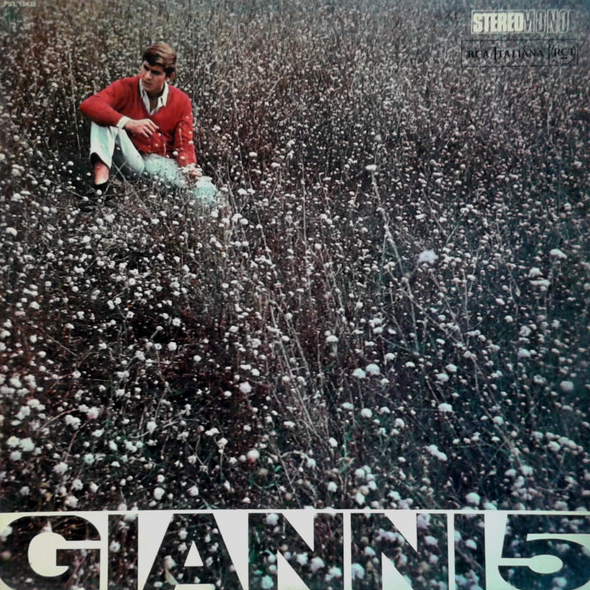
 View Artist