Song Meaning
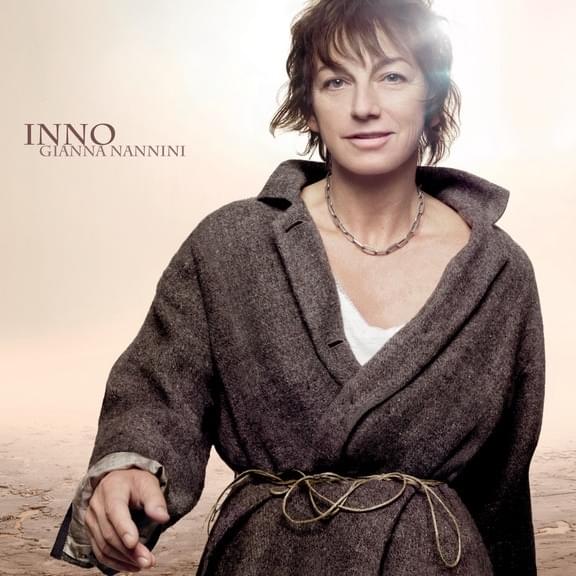
Gianna Nannini's "Ninna nein" pulses with the raw, exposed nerve of maternal love, a love both fierce and tender. It's not a lullaby in the traditional sense, though the title suggests one ("ninna" being a variant of "ninnananna," Italian for lullaby). Instead, it's a declaration, a promise whispered to a child on the cusp of adulthood, a child who has always been "grande"—both big in stature and grand in spirit. The singer, presumably Nannini herself, acknowledges a past of restarts ("Smetto un'altra volta e qualcosa inizierà..."), hinting at personal struggles that fade in significance compared to the presence of this child. The lyrics aren't saccharine; they're grounded in the shared experience of growth, of walking "nello stesso fuoco" (in the same fire), suggesting a bond forged in mutual challenges.
The emotional core of "Ninna nein" resides in the singer's vulnerability. The repeated lines, "Sei sempre stata grande / E ho tutto da imparare / Se penso che ci sei / Non vorrei morire" (You have always been great / And I have everything to learn / If I think that you are there / I would not want to die), expose a profound dependence, not in a needy way, but in a way that acknowledges the child's impact on the singer's very will to live. It flips the script on the traditional parent-child dynamic. It’s the child's existence, her potential, that fuels the singer's own. The song meaning deepens with the realization that the singer isn't just imparting wisdom; she's actively learning from her child.
The latter verses carry a bittersweet weight, acknowledging the inevitable separation as the child "becomes great and does not look back." There's a sense of letting go, of entrusting the child to her own path while simultaneously reaffirming the enduring nature of their bond. "Metti via l'amore / Nel luogo più segreto / Sarà per sempre amore / Quello che avrai da me" (Put away the love / In the most secret place / It will be forever love / That you will have from me) speaks to the private, untouchable sanctuary of maternal love, a love that transcends physical presence. The final lines, "Ricorda che a nessuno / L'ho dato come a te" (Remember that to no one / I gave it like to you), aren't possessive, but rather a testament to the unique, irreplaceable connection between mother and child. It's a musical promise etched in the soul, a lullaby for a lifetime.
 View Artist