Song Meaning
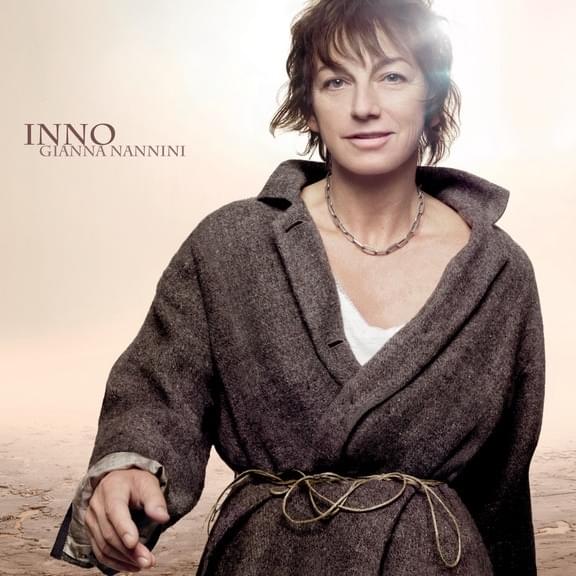
Gianna Nannini's "Inno" isn't just a song; it's an emotional echo chamber, reverberating with memories and the bittersweet ache of longing. The repeated phrase, "Mi ricordo di te" (I remember you), acts as both a mantra and a lament, suggesting a relationship defined by its past presence rather than its current reality. The lyrics paint a picture of fleeting moments: a chance encounter on the street, a summer shared, a voice lingering in the air. These are not grand pronouncements of love, but rather the intimate details that etch themselves onto the soul. The simplicity of "Tu sorridi e mi dici ciao" (You smile and say hello) underscores the profound impact even the smallest interactions can have. The song taps into the universal human experience of remembering, of trying to hold onto something that's slipping away like water through fingers. The "sorso d'acqua tra le dita" (sip of water between the fingers) is a potent image of something essential but impossible to grasp. Is this a lost love, a departed friend, or a past self? The ambiguity is deliberate, allowing the listener to project their own experiences of loss and remembrance onto the song.
"Che bello è vivere / Se vivere è con te" (How beautiful it is to live / If living is with you) speaks to the fundamental human need for connection, for finding meaning in shared experiences. But even within this declaration of joy, there's a hint of melancholy, a recognition that this ideal state is not always attainable. The recurring image of the wind ("Ora soffia il vento e soffia via con te" - Now the wind blows and blows away with you) suggests the relentless passage of time and the inevitable separation that comes with it. The wind becomes a metaphor for change, carrying away not only the object of affection but also the memories themselves. The line "Se ti stringo vai via pioggia o lacrima" (If I hold you tight you go away rain or tear) beautifully encapsulates the paradox of trying to hold onto something too tightly, only to have it slip away. It speaks to the ephemeral nature of connection and the pain of knowing that some things are simply not meant to last.
Ultimately, "Inno" is a song about hope and resilience in the face of loss. The lyrics "Tornerai so che ritornerai" (You will return I know you will return) and "È vita sempre tornerà" (It's life, it will always return) offer a glimmer of optimism, suggesting that even though things change and people leave, the essence of life – connection, love, memory – will always find a way to resurface. The final lines, "Sei vita / Quasi libertà" (You are life / Almost freedom), are particularly poignant. The object of the singer's memory is not just a person, but a symbol of life itself, a source of joy and inspiration. The "almost freedom" suggests that true freedom lies in letting go of the past, even as we cherish the memories it holds. "Inno" becomes an anthem not just for remembering, but for living fully in the present, knowing that even in the face of loss, life will always find a way to bloom again.
 View Artist