Song Meaning
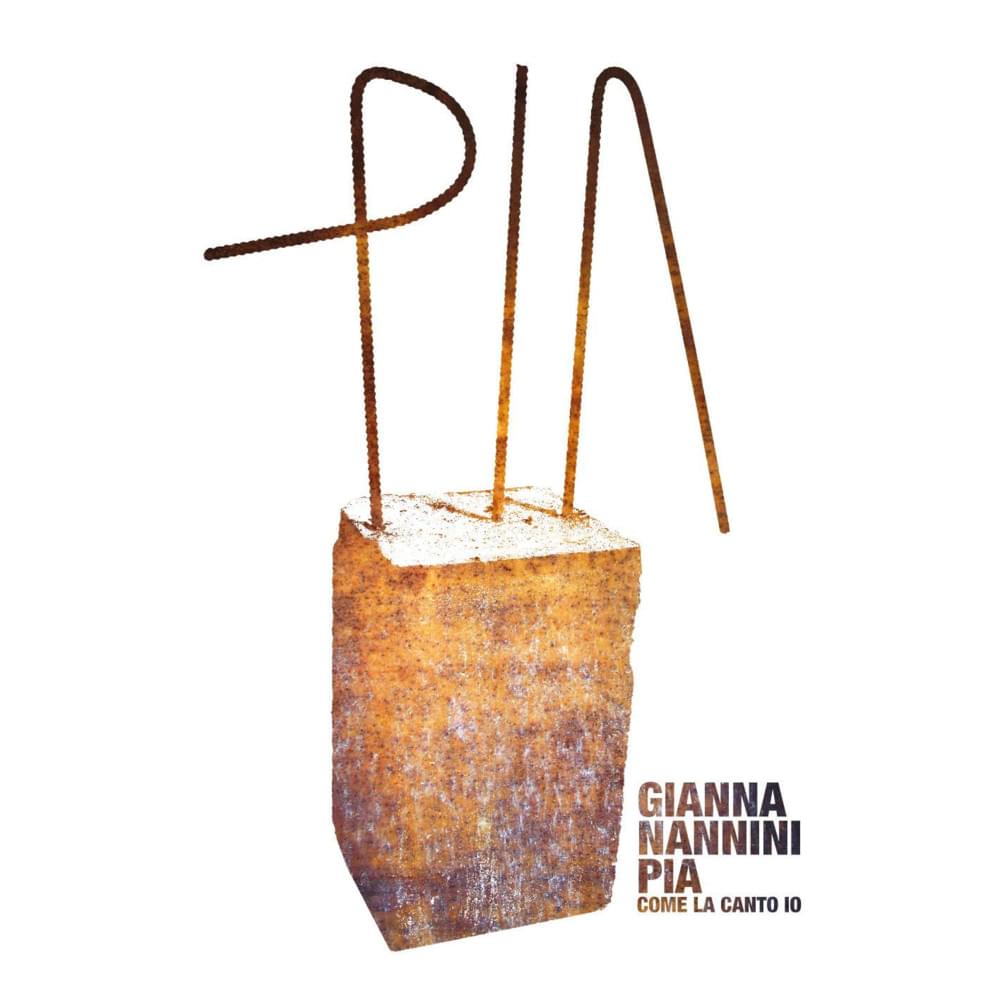
Gianna Nannini's "La Divina Commedia" isn't a straightforward Dante adaptation, but a haunting meditation on identity, place, and the destructive power of relationships, filtered through the lens of Pia de' Tolomei. The lyrics, a direct quote from Dante's *Purgatorio*, immediately plunge us into a world of suffering and memory. Pia, a Sienese noblewoman murdered by her husband in the Maremma, speaks from beyond the grave, a spectral warning echoing through Nannini's interpretation. The opening lines, a plea to be remembered, are less about seeking immortality and more about grappling with the erasure of self.
The core of the song meaning lies in the stark contrast between Siena, the city that *fe'* (made) her, and Maremma, the region that *disfecemi* (unmade) her. This geographical duality becomes a metaphor for the forces that shape and destroy us. Siena represents origin, belonging, and perhaps even innocence, while Maremma embodies betrayal, isolation, and ultimately, death. The line about the ring ("Salsi colui che 'nnanellata pria / Disposando m'avea con la sua gemma") is particularly potent. The ring, a symbol of love and commitment, becomes an instrument of her undoing, highlighting the treacherous nature of intimate bonds.
Nannini's choice to sing these words, rather than write her own, adds another layer of complexity. She becomes a vessel for Pia's lament, amplifying the historical and emotional weight of the story. The song isn't simply a retelling of a medieval tragedy; it's an exploration of how women, in particular, have been defined and destroyed by men and the places they inhabit. The cyclical repetition of "Siena mi fe', disfecemi Maremma" underscores the inevitability of Pia's fate, transforming her personal tragedy into a timeless commentary on power, vulnerability, and the enduring search for remembrance.
 View Artist