Song Meaning
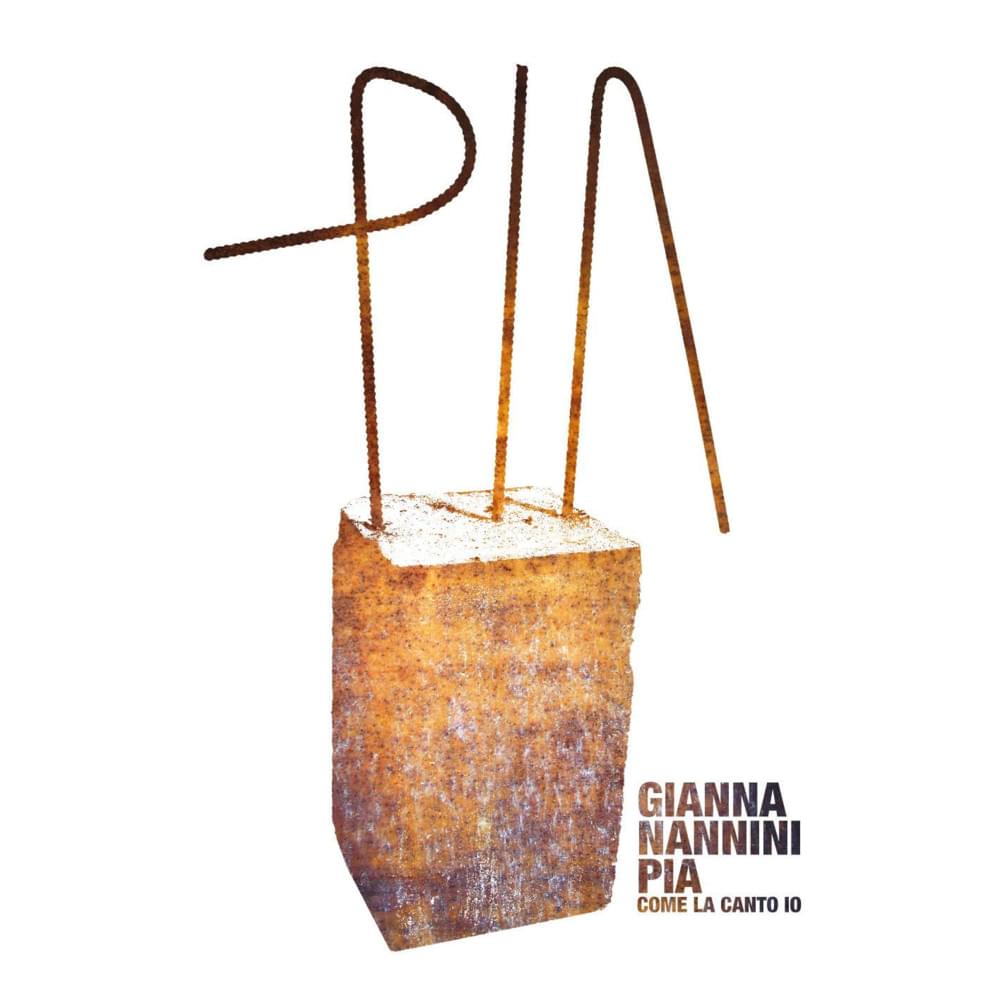
Gianna Nannini's "Dolente Pia" isn't just a song; it's a gothic sigh echoing through the chambers of a soul imprisoned. The lyrics, sung in Italian, paint a portrait of Pia, a woman described as innocent and captive, her head bowed, lost in memories of brighter days. The core of the song meaning revolves around this stark contrast: the vibrant recollections of a blossoming past juxtaposed against the cold, decaying reality of her present confinement. It's a psychological study in how memory can be both a refuge and a tormentor, offering solace while simultaneously highlighting the depth of present suffering. Nannini masterfully evokes the feeling of being trapped, not just physically, but within the confines of one's own mind.
The recurring imagery of seasonal change – winter yielding to spring – only sharpens the sting of Pia's isolation. "Life returns to the castle, but not for me," she laments, a line that encapsulates the song's central theme of exclusion and the cruel persistence of time even in the face of personal stagnation. The external world continues its cycle of renewal, indifferent to the internal decay occurring within Pia. The distant sound of waves and a galloping horse further emphasize this disconnect, painting a picture of freedom and movement just beyond her reach. These contrasting images add layers of complexity to the lyrics analysis.
The most haunting line, "Love, our love, rots behind this door," reveals the source of Pia's deepest anguish. It’s not merely imprisonment, but the decay of a vital connection, a relationship that has withered and died within the cold, dark walls. The repetition of "Dolente Pia" underscores the cyclical nature of her despair, a constant return to the same point of sorrow and resignation. The song becomes an exploration of the psychological impact of loss and isolation, a meditation on how the past can both sustain and suffocate the present.
 View Artist