Song Meaning
These lyrics paint a vivid picture of a deeply personal space: a "petite maison" (small house) constructed right inside the narrator's parents' home. It's a cozy, self-contained world, explicitly described as a place where the speaker feels good and comfortable. The immediate sense is one of finding solace and contentment in a unique, self-made sanctuary.
The central tension here lies in the paradox of this "small house" existing "in my parents' house." It's a physical manifestation of seeking independence or a private identity while still residing within an existing, larger structure. The specific location, "between the entrance and the living room," further emphasizes this liminal state—neither fully integrated into the family's main life nor entirely separate.
The craft truly shines in the description of this dwelling's construction. It's "made of scraps of cloth, small furniture, and old cardboard," materials that evoke childhood fort-building or a temporary, makeshift existence. But the most striking detail is that it's "wallpapered with illusion paper." This phrase suggests that the comfort isn't just physical; it's a chosen reality, a space where imagination and perspective play a crucial role in shaping the experience.
Ultimately, these lyrics are effective because they tap into a universal desire for personal space and comfort, regardless of external circumstances. The narrator's contentment, despite the humble and perhaps imagined nature of their dwelling, underscores that true well-being often comes from within—from creating one's own sanctuary, even if it's just a small house built of dreams and cardboard.
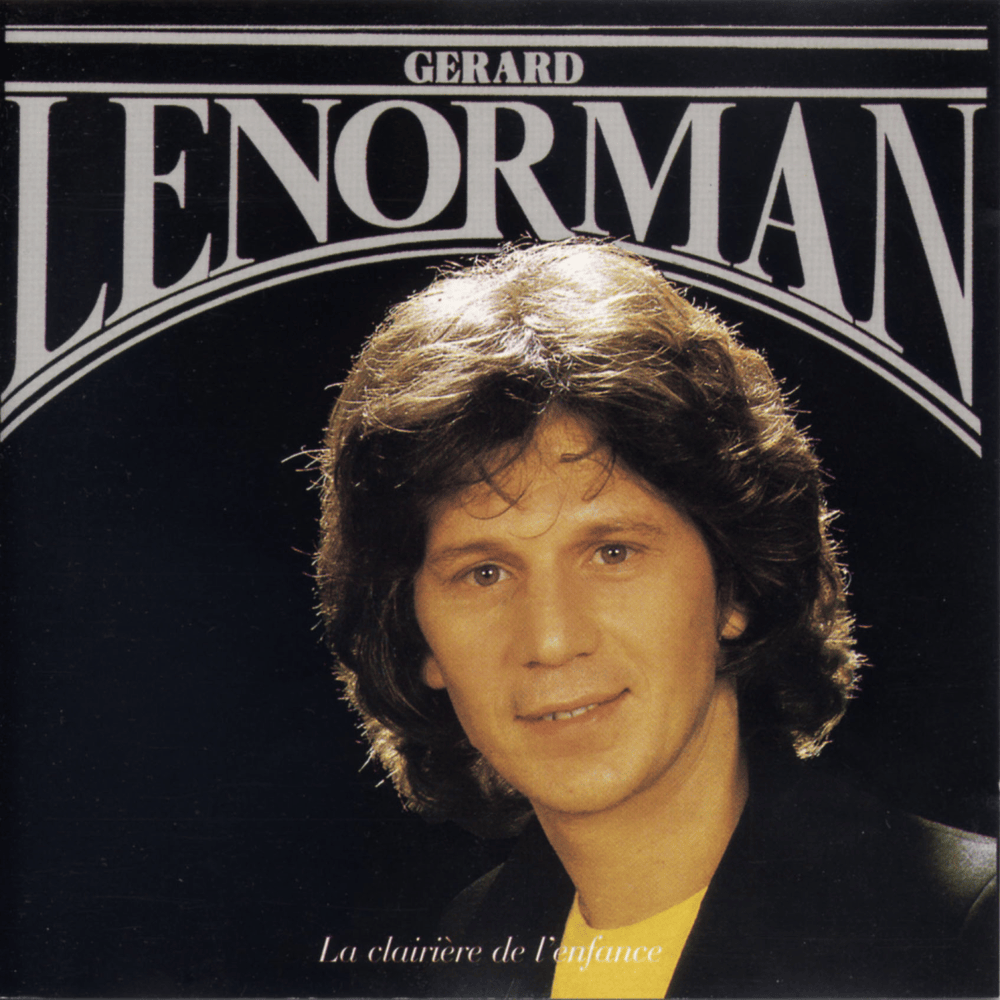
 View Artist