Song Meaning
The narrator describes their living situation with a peculiar blend of childlike simplicity and poignant self-awareness. They inhabit "a small house" within their parents' home, specifically situated "between the entrance and the living room." This placement immediately suggests a confined, perhaps temporary, space carved out of a larger, shared environment. The repetition of "J'habite une petite maison" grounds the listener in this central image, establishing a gentle, almost lullaby-like rhythm.
The construction of this "small house" is where the lyrics truly reveal their depth. It's not a solid structure but rather one "made of scraps of cloth," "small furniture," and "old boxes." This makeshift dwelling is further described as being "papered with illusion," hinting at a fragile, perhaps imagined, reality. Despite its ephemeral nature, the narrator finds comfort, stating, "I feel good there, it is good there."
The most striking aspect is the contrast between the physical limitations and the emotional contentment. The house is literally built from discarded materials and occupies a liminal space within another's home, yet it's a sanctuary. The "paper of illusion" suggests a conscious or unconscious act of self-deception, or perhaps a potent act of imagination that transforms the mundane into something cherished. This creates a quiet tension: is the comfort genuine, or a coping mechanism?
Ultimately, these lyrics resonate because they capture a universal feeling of creating personal space and finding peace, even when circumstances are far from ideal. The narrator's ability to feel "good there" in a home made of "scraps" and "papered with illusion" speaks to the power of subjective experience and the human capacity to build a sense of belonging from whatever is at hand.
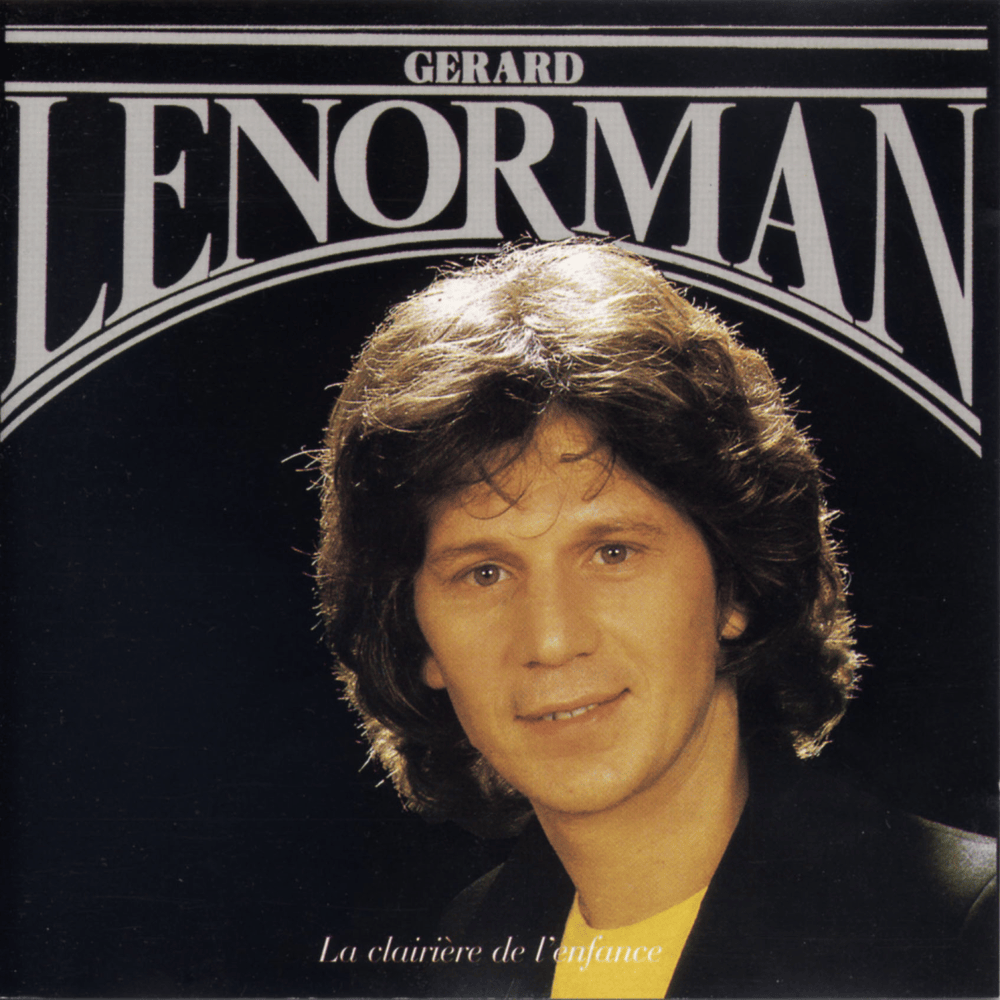
 View Artist