Song Meaning
The lyrics open with a striking paradox: "Nous avons tout dit, tout nous reste à dire" – everything has been said, yet everything remains to be said. This sets up a central tension of communication breakdown and unspoken truths. The narrator feels a need to "délier" (untangle, loosen) what has been said, suggesting a tangled knot of past conversations that still needs resolving. The dominant emotional tone is one of melancholic reflection and a sense of being stuck.
The core conflict emerges through the repeated, stark metaphor: "Les cœurs sont comme des tirelires / Pour en voir le fond, il faut les briser." Hearts are likened to piggy banks, implying they hold something valuable, perhaps affection or secrets. However, to truly understand or access what's inside, they must be broken. This suggests that genuine emotional depth or truth can only be revealed through painful rupture or destruction, a bleak outlook on intimacy.
The most compelling craft element is the persistent repetition of the central paradox and the piggy bank metaphor. This relentless structure mirrors the narrator's own circular thinking and inability to move forward. The line "Je t'aimais bien trop pour t'aimer" (I loved you too much to love you) is particularly poignant, hinting at a self-destructive love where excess feeling led to its own undoing, a subtle twist on the idea of breaking hearts.
These lyrics hit hard because they articulate a universal feeling of being trapped in the aftermath of communication, where the weight of what's been said paradoxically creates a void of what still needs to be expressed. The brutal honesty of the piggy bank metaphor, combined with the cyclical structure, creates a powerful sense of emotional paralysis and the painful necessity of breaking things to find true meaning.
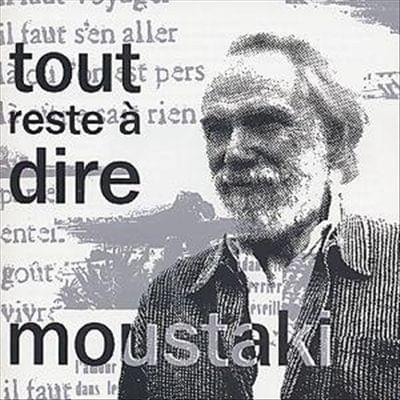
 View Artist