Song Meaning
The lyrics paint a stark contrast between two figures: "Le petit homme" (the little man) and "Le grand homme" (the big man). The little man is defined by his uniform, polished shoes, and a rifle clutched tight, carrying dead birds in his bag. He walks on paved, well-defined roads. This imagery suggests control, authority, and perhaps a destructive or predatory nature, confined to rigid paths.
In direct opposition, the big man is barefoot, his hands empty and open, gathering fruit. He wanders through fields, unburdened by footwear or possessions, embodying a natural, free existence. The contrast is immediate and visceral: one is armed and organized, the other is vulnerable and organic. The lyrics establish a clear dichotomy between a life of imposed order and potential violence versus one of natural abundance and peace.
The narrative tension builds as their paths, which could have remained separate, inevitably cross. The little man's reaction is fear, leading him to arm his weapon. The big man's response, however, is disarmingly simple: a smile and an outstretched hand. This gesture, meant perhaps as an offering or a sign of peace, is met with the ultimate act of violence – the shot fired. The lyrics suggest that fear and aggression, even when confronted with openness, can lead to tragedy.
This stark encounter highlights the destructive potential of fear and the rigid adherence to a perceived threat. The effectiveness lies in the simple, declarative statements and the potent, opposing images. The final, abrupt action underscores the tragic outcome of this clash, leaving the reader to ponder the irreversible consequences of the little man's fear and the big man's fatal encounter.
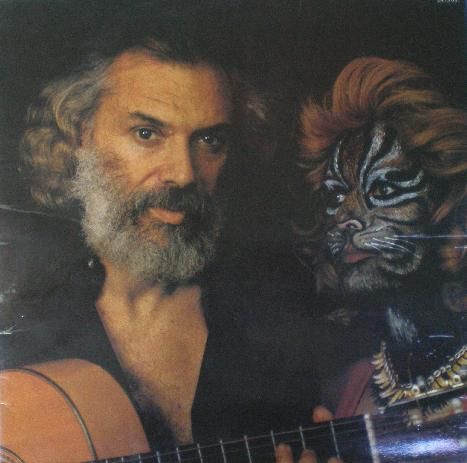
 View Artist