Song Meaning
The lyrics paint a picture of a life lived with a profound sense of observation and rootlessness. The opening lines immediately establish a world of stark contrasts: "servile kings" and "proud beggars," "roses" found within "weeds." This sets a tone of seeing beyond superficial appearances, finding beauty and dignity in unexpected places. The narrator has experienced a wide spectrum of life, from the powerful to the powerless, the cultivated to the wild.
The core of the narrator's experience seems to be a restless wandering. Described as an "uprooted tree," they move constantly, "from bank to bank," never settling "in one inn or another." This imagery suggests a lack of belonging and a continuous search, driven by an internal force rather than external anchors. The journey itself is paramount, with no pause for rest or reflection on the basic human needs and fears like hunger, thirst, shame, or fear.
There's a deliberate withholding of personal narrative, a refusal to recount the full depth of their experiences. The narrator states, "Don't expect me tonight to tell you about them." This isn't a boastful omission but seems tied to a specific purpose: singing for a "painful absent friend." The act of singing is presented as a way to ward off forgetting, a tribute to this absent person before resuming the "nonchalant route."
Ultimately, the effectiveness of these lyrics lies in their evocative imagery and the palpable sense of a life lived on the periphery, observing the world's contradictions. The repetition of the opening stanza acts as a refrain, grounding the listener in the narrator's unique perspective while reinforcing the themes of contrast and constant motion. The song captures a feeling of profound experience without the need for explicit detail, focusing instead on the emotional resonance of observation and remembrance.
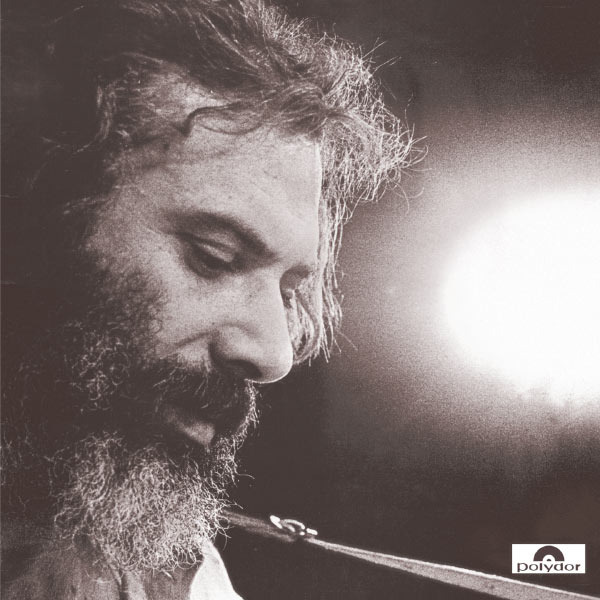
 View Artist