Song Meaning
The lyrics paint a stark contrast between the idyllic image of the Mediterranean and its harsh realities. Initially, it's a place of childhood innocence, where "children with dark eyes" play, and it holds "centuries of history" with prophets and gods. This idyllic vision is encapsulated by the recurring phrase, "There is a beautiful summer that does not fear autumn," suggesting a timeless, enduring quality. This sets up a powerful juxtaposition with the darker truths that soon emerge.
The core tension lies in the clash between this idealized, almost mythical perception of the Mediterranean and the brutal contemporary conflicts that scar its shores. The lyrics shift to reveal "the smell of blood" and "wounded countries like raw wounds." The imagery becomes violent, with "barbed islands" and "walls that imprison," directly contradicting the earlier sense of freedom and timelessness. This duality creates a profound sense of unease, as the beauty is constantly overshadowed by suffering.
The most striking craft element is the persistent refrain, "There is a beautiful summer that does not fear autumn," which acts as a fragile, almost defiant hope against the encroaching darkness. It's repeated after descriptions of war, "olive trees that die under bombs," and "forgotten peoples that war harvests." This repetition highlights a desperate clinging to an ideal, a refusal to let the present destruction erase the region's potential for enduring beauty and peace. The lyrics suggest this "beautiful summer" is less a present reality and more a cherished memory or a future aspiration.
This lyrical construction is effective because it mirrors the complex emotional experience of living with or observing a place of immense historical and cultural significance that is also a site of ongoing conflict. The narrator's personal memory of childhood play, "In this basin, I used to play," grounds the abstract historical and political commentary in a relatable, human experience. The ultimate impact comes from the lingering question of whether this "beautiful summer" can ever truly overcome the "autumn" of war and division, leaving the listener with a poignant sense of both the region's enduring spirit and its tragic present.
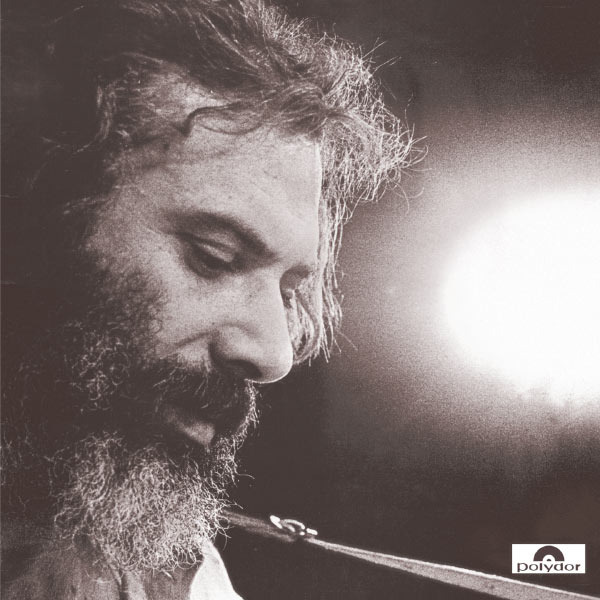
 View Artist