Song Meaning
This track paints a portrait of a woman defined by her active, almost elemental engagement with life, rather than passive reception. The repeated refrain, "Elle ne fait pas l'amour / Elle aime," immediately sets up a contrast between a conventional physical act and a deeper, more encompassing form of love or being. It suggests a spirit that transcends mere physical connection, existing on a different plane of experience.
The lyrics build this image through a series of striking negations followed by affirmative actions. She doesn't walk; she dances. She doesn't speak; she sings. These aren't just simple opposites; they highlight a vibrant, expressive nature that finds its own unique modes of existence. The shift from "Elle ne se prête pas / Elle s'offre" is particularly potent, moving from a refusal of passive compliance to an active, generous offering of self, suggesting a profound inner freedom.
The most compelling aspect is the consistent elevation of her being beyond ordinary actions. Instead of crying, she suffers, implying a deeper, perhaps more stoic, internal processing of pain. She doesn't dream; she glides, indicating a state of being that is present and elevated rather than escapist. The final lines, "Elle ne fait pas semblant de vivre / Elle ne demande pas / Elle prend," solidify this impression of an authentic, self-directed existence that takes what it needs without apology or pretense.
Ultimately, the song crafts a powerful, almost mythic figure. The "La la la" interludes act as a grounding, almost chant-like affirmation of this unique spirit. The effectiveness lies in its stark, declarative structure, which allows the listener to feel the intensity of her presence and the depth of her self-possession, creating an image of a woman who lives fully and authentically on her own terms.
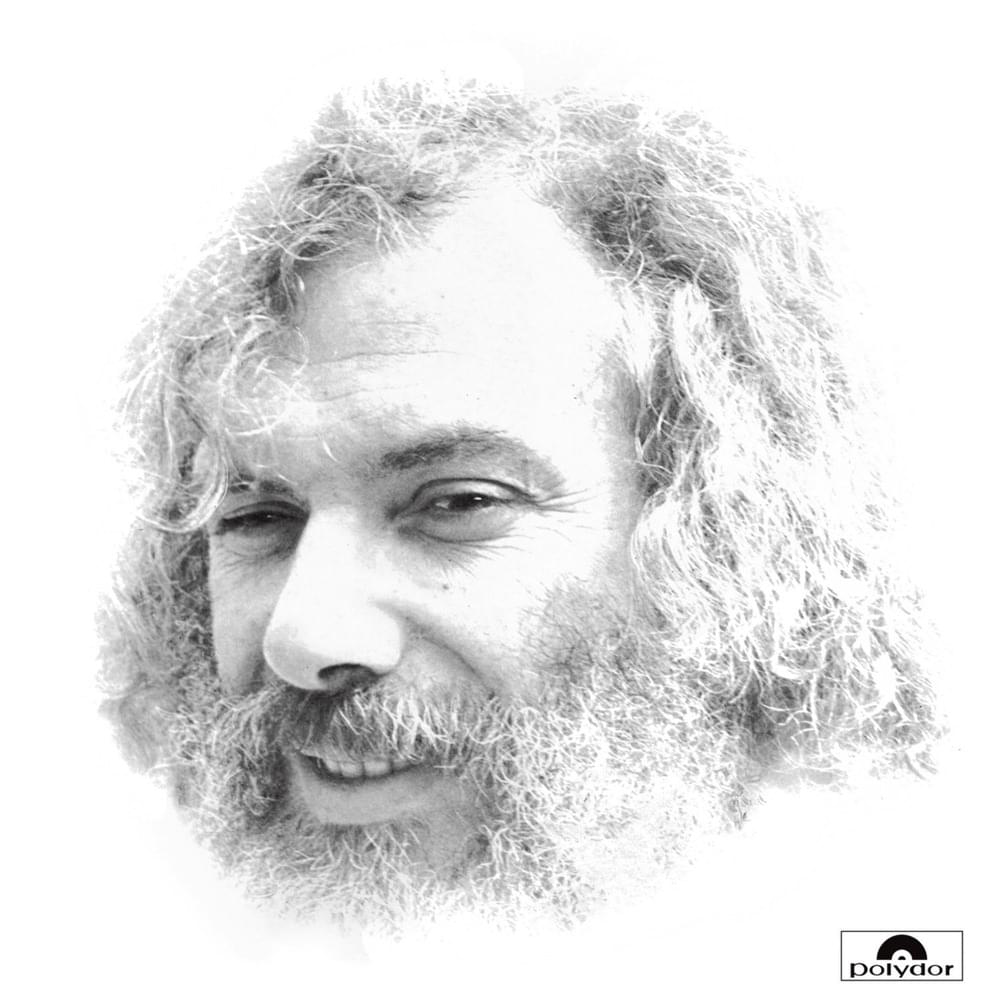
 View Artist