Song Meaning
Juliette Gréco's "Les enfants qui s'aiment" isn't just a song; it's a defiant whisper against the encroaching darkness of societal judgment. The image of children embracing "against the doors of the night" immediately sets up a stark dichotomy: innocence and burgeoning love pitted against the world's cynicism. Gréco, with her signature world-weary delivery, imbues this simple scene with profound weight. The "passersby" who point and judge aren't just background noise; they embody the stifling force of conformity that seeks to crush anything pure and unadulterated. It's a timeless tableau of youthful idealism versus jaded experience. The song suggests that this innocent love exists outside the constraints of societal norms. The children are not 'there for anyone', they are beyond the reach of the night, the day, in the dazzling light of their first love. This emphasizes the purity and self-contained nature of their affection, untouched by the cynicism of the adult world.
The core of the song meaning resides not just in the children's love, but in the reaction it provokes. The lyrics explicitly call out the "rage," "scorn," "laughter," and "envy" of the onlookers. This is where the psychological tension ratchets up. Gréco isn't merely observing; she's dissecting the motivations behind the disdain. Are these passersby jealous of a love they've lost? Are they threatened by the raw, unfiltered emotion? It's a mirror held up to the audience, forcing us to confront our own potential for bitterness and the impulse to tear down what we can no longer attain. The repetition of the line about the children not being there for anyone is a powerful statement of independence and self-sufficiency in their love. It's as if their love creates its own reality, separate from the world's expectations.
Ultimately, "Les enfants qui s'aiment" is a song about transcendence. It's about finding a space where love exists outside the confines of societal pressure and the corrosive effects of time. Gréco's interpretation transforms a simple observation into a powerful statement about the enduring strength of innocent love in a world that often seeks to extinguish it. The song's beauty lies in its simplicity and universality. It speaks to the part of us that yearns for a love that is pure, untainted, and strong enough to withstand the judgment of the world. It's an anthem for anyone who has ever dared to love freely and openly, regardless of the consequences.
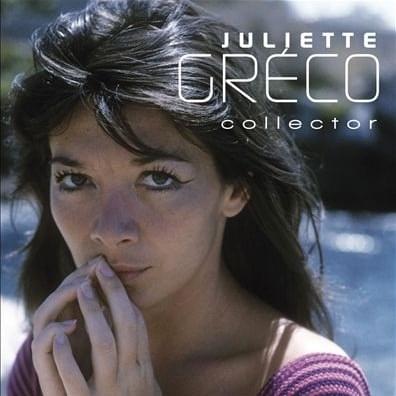
 View Artist