Song Meaning
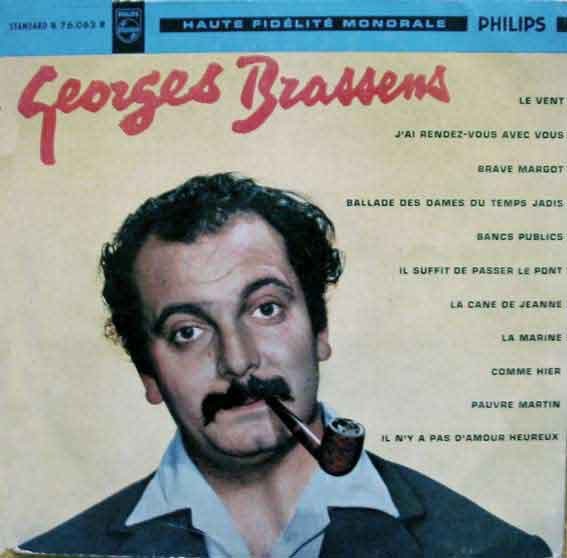
Jeanne's duck meets its end on New Year's Day, a simple, almost fable-like narrative. The lyrics recount a small, sudden tragedy with a straightforward, slightly melancholic tone. It's a story told with the rhythm of a children's rhyme, making the somber subject feel curiously light.
The lyrics immediately establish a poignant contrast: the duck's death occurring "au gui l'an neuf" (under the mistletoe on New Year's Day). This festive, hopeful setting clashes sharply with the sudden end of life. Just before its demise, the duck produced a "Merveille! Un oeuf"—a brief, almost celebratory moment of creation that underscores the fragility of existence.
A striking detail emerges when the narrator speculates on the cause of death, noting, "Du moins on le présume / Un rhume / Mauvais!" (At least one presumes / A bad cold!). This casual, almost dismissive explanation for death introduces a touch of dark humor, undercutting any profound grief with a mundane, almost absurd reason. The image of the duck dying "sur son oeuf" and in its "beau costume de plumes tout neuf" paints a vivid, almost theatrical picture of a pristine, if tragic, end.
Ultimately, the lyrics pivot from tragedy to a pragmatic outcome. The duck, "Ne laissant pas de veuf" (leaving no widower), provides for "nous autres qui eûmes / Les plumes / Et l'oeuf!" This shift from individual loss to collective gain is stark, highlighting a cycle where even death yields resources. The final "Morbleu!" (Good heavens!) isn't a cry of sorrow, but a slightly theatrical, resigned acknowledgment, cementing the duck's place in memory not just for its life, but for its unexpected legacy.
 View Artist