Song Meaning
The lyrics paint a picture of a rustic, almost pastoral, domestic scene, immediately establishing a tone of familiar, earthy affection. The narrator addresses "Thérèse" with playful, almost childlike endearments like "ma jolie fraise," and the imagery of "strawberries" on the horizon suggests a sweet, simple, and perhaps hopeful beginning to the day. This idyllic opening, however, is quickly grounded by the practical, even slightly absurd, concerns of farm life: "Garde tes dindons, moi mes porcs," and the repeated plea, "Ne r'pousse pas du pied mes p'tits cochons." The contrast between the tender address and the focus on livestock creates a unique blend of romance and the mundane.
The core tension of the song lies in the cyclical nature of love and life, expressed through the insistent refrain, "Va, comme hier ! comme hier ! comme hier !" This repetition underscores a sense of routine, both in the relationship and in existence itself. The narrator acknowledges potential discord: "Si tu ne m'aimes point, c'est moi qui t'aimerons," suggesting a persistent, perhaps even stubborn, devotion that will endure regardless of reciprocity. This is further emphasized by the stark duality of "L'un tient le couteau, l'autre la cuiller," and the declaration, "La vie, c'est toujours les mêmes chansons," which frames their existence as a predictable, recurring melody of both affection and hardship.
The most striking craft element is the juxtaposition of tender imagery with blunt, almost crude, domestic details. The narrator's desire for physical closeness, "donne moi ta bouche," is immediately followed by the practicalities of their shared life and the repeated, almost anxious, command about the piglets. This creates a grounded, unvarnished portrayal of a long-term relationship, where grand romantic gestures are intertwined with the everyday realities of managing a farm and navigating disagreements. The phrase "ma jolie fraise" is revisited during moments of conflict, "Quand nous nous fâchons," suggesting that even in anger, the underlying affection and the familiar terms of endearment persist.
Ultimately, the lyrics resonate because they capture a specific, unpretentious form of enduring love. The narrator's unwavering commitment, expressed through the cyclical rhythm and the blend of sweet and savory details, suggests a deep-seated acceptance of life's predictable patterns. The song doesn't shy away from the idea that love and life are often a matter of routine, marked by both "amour et misère," but it finds a certain comfort and strength in that very repetition. The persistent, almost defiant, "c'est moi qui t'aimerons" offers a powerful statement of loyalty within the familiar, unchanging landscape of their shared existence.
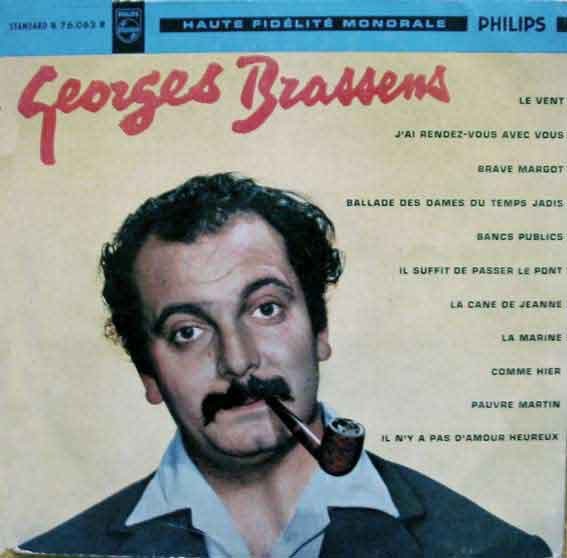
 View Artist