Song Meaning
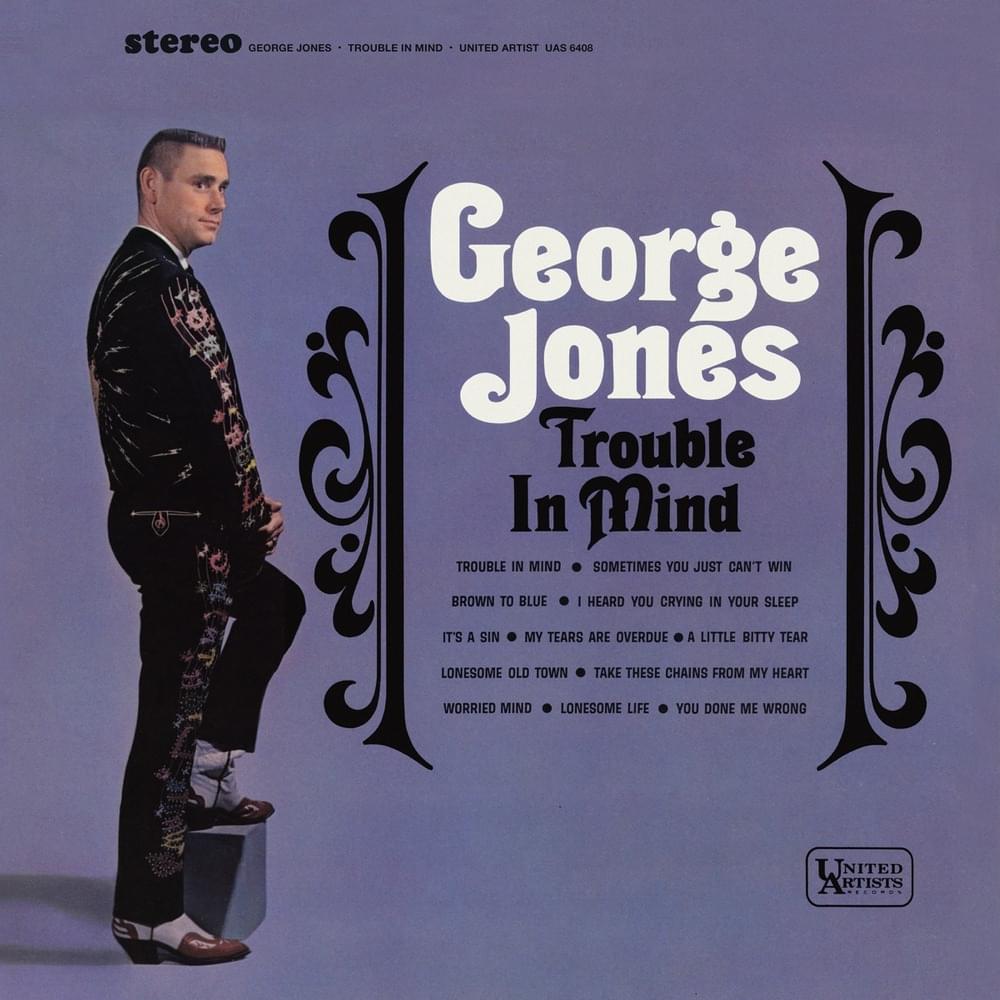
George Jones's "It's A Sin" isn't just a country lament; it's a masterclass in self-destructive devotion. The song’s core resides in the paradox of forbidden love, where the very act of loving becomes a transgression. It's not a sin in the biblical sense, but a personal one, born from the knowledge that this love is unsustainable, perhaps even unwanted. The singer is trapped, not by external forces, but by his own unwavering affection. He understands the futility, acknowledging that "our love can never be," yet remains tethered to the memory and the feeling. This creates a profound internal conflict, a battle between reason and emotion that defines the song's tragic heart.
The lyrics further dissect the anatomy of heartbreak. The lines referencing broken promises and a shattered dream highlight the devastating consequences of clinging to a love that offers no reciprocation. The admission that "silence proves that you've forgotten me" is a particularly poignant moment, showcasing the singer's awareness of his lover's indifference. He's not simply sad; he's existentially alone in his passion. This isolation amplifies the 'sin' – his continued love becomes a form of self-punishment, a refusal to release himself from the pain.
Ultimately, "It's A Sin" speaks to the universal experience of unrequited love, but with a uniquely Jonesian twist. It's not merely about longing; it's about the moral implications of that longing. The singer questions the very act of loving in the face of rejection, transforming a personal tragedy into a philosophical quandary. The song's power lies in its unflinching honesty and its willingness to confront the darker aspects of love – the obsession, the self-deception, and the quiet desperation that can consume a person when love becomes a one-way street.
 View Artist