Song Meaning
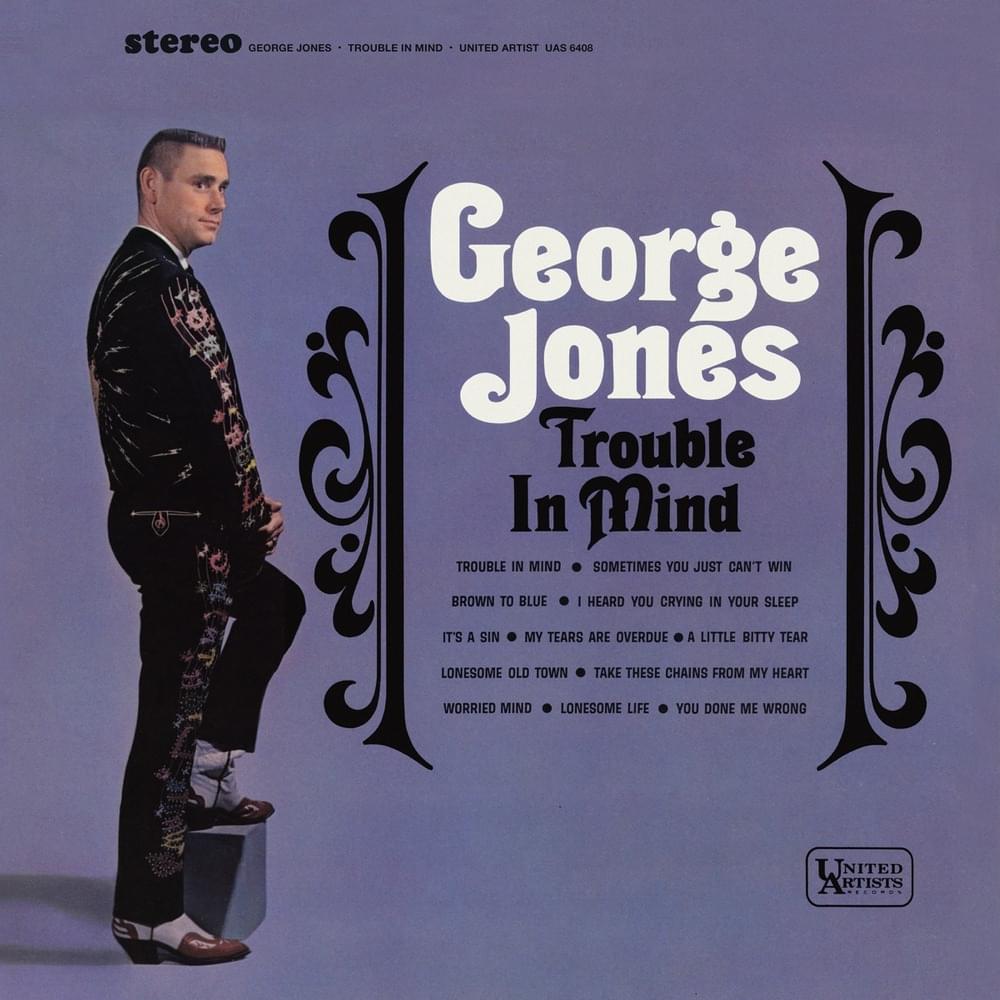
George Jones's rendition of "Trouble In Mind" isn't just a country lament; it's a stark exploration of depression's cruel calculus. The song meaning hinges on that tightrope walk between despair and a fragile hope, a balancing act familiar to anyone who's stared into the abyss. The blues aren't presented as a temporary setback but as a persistent state of being, a 'trouble in mind' that permeates every corner of existence.
The lyrics lay bare the classic symptoms: hopelessness, a sense of being overwhelmed, and even fleeting thoughts of self-harm. The image of laying one's head on a 'lonesome railroad line' is a chillingly direct expression of suicidal ideation, albeit one softened by the almost casual delivery. The narrator's contemplation of mortality is underscored by the line 'Sometimes I feel like livin'/Sometimes I feel like dyin',' capturing the exhausting ambivalence that defines major depression. The 'good gal' leaving only exacerbates the underlying issues; it's a trigger, not the root cause.
Yet, within this landscape of sorrow, flickers of resilience emerge. The plan to buy a rocking chair by the river suggests a search for solace, a desire to simply exist in a space of quiet contemplation. Even the forced laughter, a desperate attempt to 'keep from cryin',' speaks to an innate will to survive. Jones's interpretation, steeped in his own well-documented struggles, lends an authenticity to the song that transcends mere performance. This isn’t just singing about sadness; it’s inhabiting it, understanding its contours, and offering a glimpse of light even in its darkest recesses.
 View Artist