Song Meaning
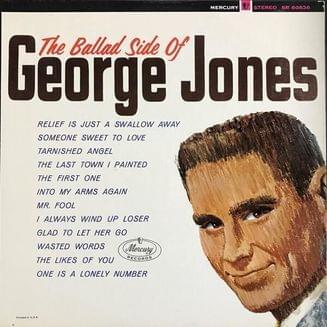
{"song_id": 11921154, "meaning": "George Jones's rendition of \"Axion Estin\" (though markedly different in thematic content from the original Greek Orthodox hymn) pivots on a familiar axis: love, loss, and the honky-tonk siren song. However, it's the *nature* of the loss, not the loss itself, that gives this performance its particular sting. The lyrics paint a picture of a relationship fractured not by infidelity or simple incompatibility, but by fundamentally different lifestyles. Jones's narrator yearns for a reconciliation with a lover drawn to the \"nightlife with its parties,\" a lifestyle described as \"being gay\" (in the older sense of 'merry' or 'carefree,' not indicative of sexual orientation). This divergence isn't presented as a moral failing, but as a chasm in values.
The genius of the song meaning lies in its gentle plea, not a demand. The narrator acknowledges the allure of the honky-tonk world, understanding its seductive power. There's no condemnation, only a wistful hope that the partner might eventually \"think enough of me and try to change.\" This isn't about control; it's about a desperate desire for shared values. The repeated invitation to \"come away from the honky tonk back into my arms again\" isn't a command, but a vulnerable offering of solace and stability.
Ultimately, “Axion Estin” becomes a poignant exploration of the tension between personal freedom and the compromises inherent in love. The honky-tonk serves as a potent symbol of escapism and immediate gratification, contrasting sharply with the narrator's implied longing for a deeper, more grounded connection. It's a battle between fleeting pleasure and enduring love, and Jones captures the heartache of that struggle with his signature blend of vulnerability and grit. The song's emotional resonance stems from its honesty: a raw, unvarnished portrayal of love's messy, often irreconcilable desires."}
 View Artist