Song Meaning
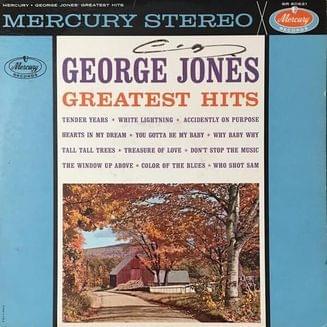
George Jones's "Hearts In My Dream" isn't just a country ballad; it's a stark reckoning with the ghosts of relationships past. The song's core lies in its dreamscape, a space where the singer is confronted by the emotional wreckage he's left behind. This isn't a boastful recounting of conquests, but a painful acknowledgment of the hurt inflicted. The recurring line, "Hearts in my dream, each one of them true / Each one loved me so, each one I broke in two," underscores the genuine affection he squandered, a truth only fully realized in the subconscious. It’s a clever lyrical device, using the unreality of a dream to expose a very real, deeply buried guilt. The dream serves as a purgatory, forcing the singer to face the consequences of his "wild and reckless" youth.
The beauty – and the sting – of "Hearts In My Dream" lies in its simplicity. Jones doesn't offer excuses or justifications, only a raw admission of culpability. The line "It was I who caused them all and my conscience hurts me so" is devastating in its directness. There's a weary resignation in his voice, a sense that the weight of these broken hearts has finally caught up to him. He's not just regretting the pain he caused, but also lamenting the loss of those genuine connections. The phrase "love 'em and leave 'em" sounds flippant when said aloud, but the song reveals the long-term consequences of such a callous attitude.
Ultimately, "Hearts In My Dream" is a meditation on regret and the slow burn of conscience. It suggests that even if we can bury our mistakes in the waking world, they will eventually resurface in the vulnerable space of our dreams. This introspective turn is a hallmark of Jones's later work, a willingness to confront the darker aspects of the human condition. The song's power isn't in its soaring melodies or elaborate arrangements, but in its unflinching portrayal of a man haunted by the hearts he broke, a stark reminder that our actions have lasting consequences, even if we try to forget them.
 View Artist