Song Meaning
The lyrics paint a stark picture of isolation and a desperate plea for connection. The narrator confronts their own reflection, a moment that seems to trigger a profound sense of loneliness. This introspection leads to a direct, almost childlike appeal: "Do not hide your face / From me / When I feel sad." It’s a raw vulnerability, a demand for presence when the emotional weight becomes too much to bear alone.
The core tension arises from this yearning for acknowledgment versus the narrator's perceived state of being. The imagery of "no cows and no grass" directly links to feeling like a "nomad," stripped of familiar grounding and sustenance. This isn't just about physical displacement; it’s an internal wilderness where the narrator feels "lost and silent," comparing themselves to an "owl among the ruins" with "wings lined with ashes." The repetition of "I feel I'm a nomad" hammers home this pervasive sense of rootlessness and desolation.
The most striking craft element is the juxtaposition of the plea for connection with the concept of "good walking / Leaves no track behind it." This suggests a desire to move through life, or perhaps through sorrow, without leaving a trace, which directly contradicts the urgent need for someone to see and acknowledge their pain. It’s a paradox: wanting to be unseen in transit but desperately needing to be seen in their sadness. The repeated "My days go up in smoke" and "My heart is breaking" further amplify this internal decay.
Ultimately, the lyrics resonate because they articulate a universal fear of being alone in one's suffering. The narrator’s raw, unadorned language, especially the repeated commands to "answer me" and "do not hide your face," bypasses complex metaphor to deliver a direct emotional punch. It’s the sound of someone teetering on the edge, reaching out in the only way they know how, hoping for a tether in the vast, silent wilderness they inhabit.
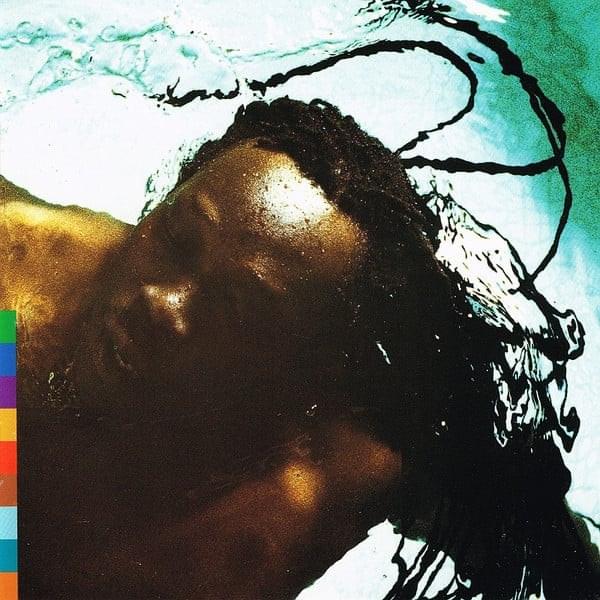
 View Artist