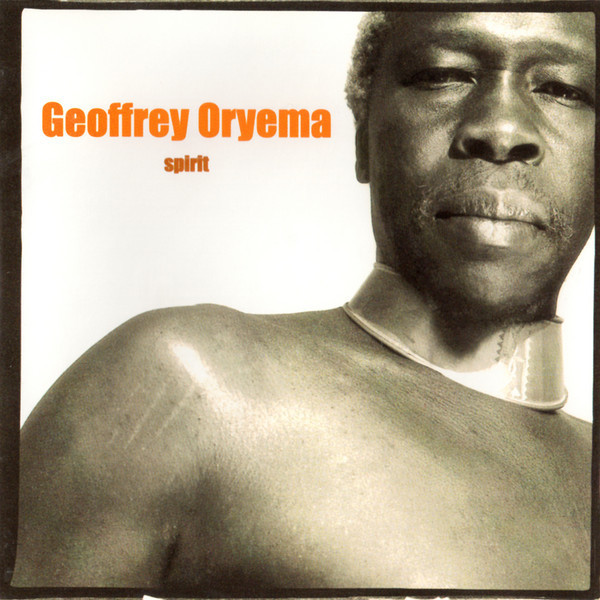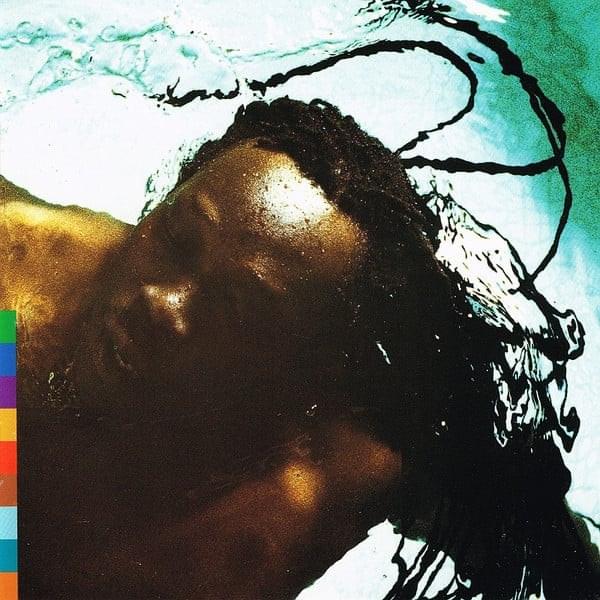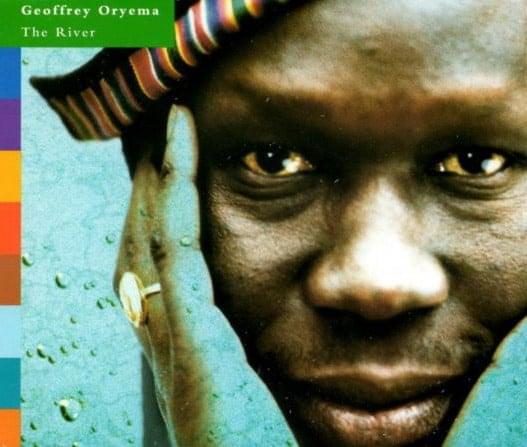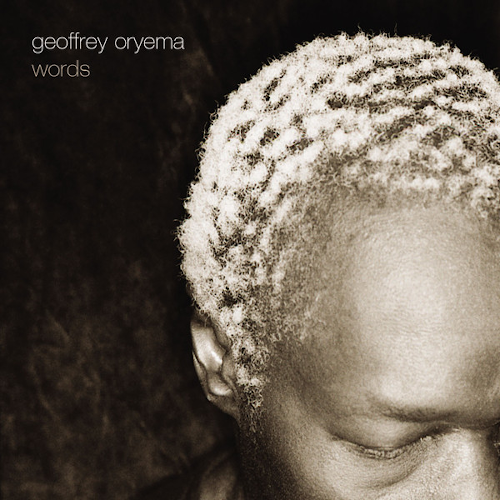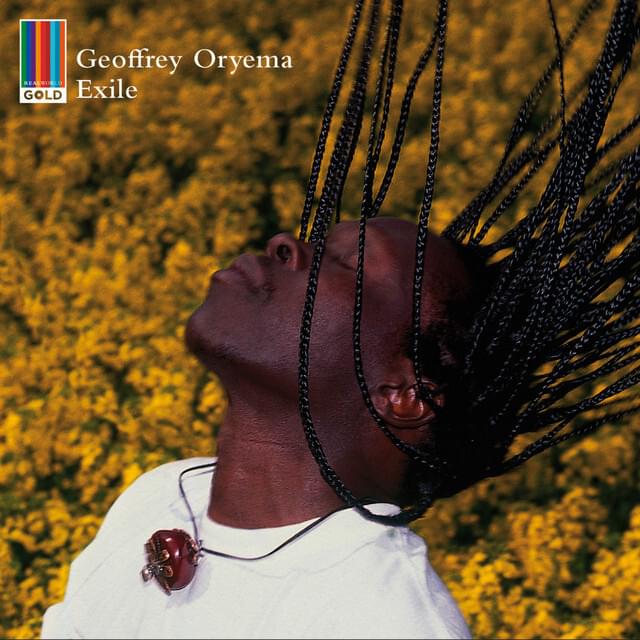
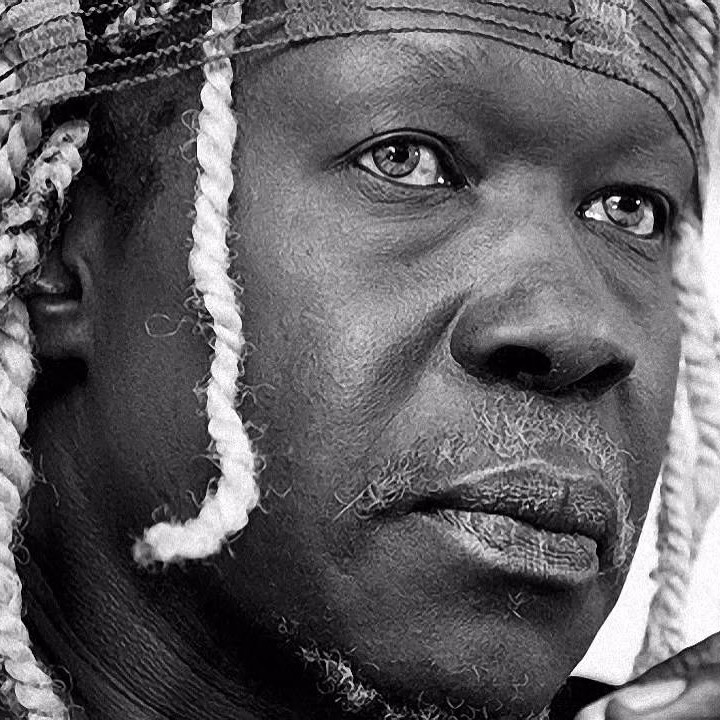
Photo of Geoffrey Oryema

Geoffrey Oryema

6.7K Listeners

Artist Bio

Introduction & Current Status Geoffrey Oryema wasn't just a musician; he was a cultural bridge. His music, sung in English, Swahili, and his native Acholi, resonated globally, blending traditional Ugandan sounds with contemporary influences. Though Oryema passed away in 2018, his legacy as a pioneer of world music endures. His songs continue to be discovered by new generations, finding their way into playlists and soundtracks, proof that his message remains relevant. Oryema's unique sound – a blend of folk, rock, and African rhythms – set him apart. He wasn't chasing trends; he was creating them. He gave voice to the voiceless, singing about displacement, identity, and hope with a raw honesty that's hard to ignore. Early Life & Background Born in Uganda in 1953, Geoffrey Oryema's early life was steeped in music and political awareness. His father, a government minister, was murdered by Idi Amin's regime, forcing Oryema to flee Uganda in 1977. This traumatic event profoundly shaped his life and artistic vision, becoming a recurring theme in his work. Growing up, Oryema was exposed to a diverse range of musical styles. Traditional Acholi songs, Western pop, and the burgeoning sounds of African independence movements all played a role in shaping his musical identity. This eclectic mix would later become a defining characteristic of his sound. His mother was a singer of traditional songs and instilled in him a deep appreciation for his cultural heritage. This connection to his roots would become the bedrock of his artistic expression, even as he embraced a global sound. Career Beginnings Exile in Paris provided Oryema with a fertile ground for artistic growth. He connected with other exiled musicians and began to develop his signature blend of Ugandan folk and contemporary Western sounds. It was a time of struggle and uncertainty, but also of immense creative energy. His early performances in Parisian clubs and cafes caught the attention of Peter Gabriel, who invited Oryema to record at his Real World Studios. This was a major turning point, providing Oryema with the resources and platform to reach a wider audience. Gabriel's support was crucial in launching Oryema's international career. This collaboration with Peter Gabriel was a game-changer. It wasn't just about exposure; it was about validation. It signaled to the world that Oryema's music was something special, something worth paying attention to. Major Albums & Discography Oryema's albums are sonic tapestries weaving together personal stories, political commentary, and infectious rhythms. His debut album, Exile, released in 1990, immediately established him as a force to be reckoned with. The album is a powerful statement about displacement and the search for belonging. Beat the Border, released in 1993, further cemented his reputation as a politically engaged artist. The album tackles themes of war, poverty, and environmental destruction, with a blend of anger and hope. Words, released in 1998, saw Oryema exploring more personal themes, while still retaining his signature blend of African and Western sounds. This album showcased his growth as a songwriter and his ability to connect with audiences on a deeper level. His final album, Spirit, released in 2000, is a testament to the enduring power of the human spirit. It's a celebration of life, love, and the resilience of the Ugandan people. Each album marked a step in his evolution, showcasing his unwavering commitment to his artistic vision. Hit Songs & Signature Tracks Geoffrey Oryema's songs are anthems of hope and resilience, often sung in multiple languages, reflecting his diverse background and global appeal. Ye Ye Ye, with its infectious melody and upbeat tempo, became one of his signature tracks, showcasing his ability to blend serious themes with catchy hooks. Land of Anaka is a poignant tribute to his homeland, capturing the beauty and pain of Uganda with stunning imagery and heartfelt emotion. This song is a fan favorite, often cited as one of his most moving compositions. The River is another standout track, showcasing Oryema's poetic lyrics and his ability to evoke a sense of place. The song's haunting melody and powerful message resonate deeply with listeners. His track Piny Runa Woko is a plea for peace and reconciliation, reflecting the ongoing conflicts in Africa. Similarly, Tyena Rem is filled with a longing for home. Other notable tracks include Hard Labour, a raw and unflinching look at the struggles of everyday life, and Nomad, a reflection on the experience of displacement and the search for identity. Lacan Woto Kumu is a song that celebrates the resilience of the human spirit, while Magical Stone is a more introspective piece, exploring themes of spirituality and connection to nature. And his heartfelt Piri Wango Iya rounds out his strong discography. Collaborations & Features Oryema's collaborations reflect his openness to different musical styles and his desire to connect with artists from around the world. His work with Peter Gabriel was particularly significant, not only launching his career but also showcasing the power of cross-cultural collaboration. He also collaborated with Brian Eno on several projects, further expanding his sonic palette. These collaborations demonstrate his willingness to experiment and push the boundaries of his music. Oryema's collaborative spirit enriched his music and broadened his appeal. Awards & Achievements While not always driven by accolades, Geoffrey Oryema's impact was recognized through various awards and achievements. His music resonated with audiences worldwide, earning him critical acclaim and a dedicated following. His nomination for a Grammy Award was a testament to his global reach and artistic excellence. His songs have been featured in numerous films and television shows, further solidifying his cultural impact. Oryema's music has transcended borders, becoming a soundtrack for social change and a celebration of human resilience. His performances at prestigious venues around the world also helped to raise awareness of the issues facing Africa. Personal Life Geoffrey Oryema's personal life was deeply intertwined with his music. His experiences as a refugee and exile shaped his artistic vision, and his songs often reflected his personal struggles and triumphs. He remained deeply connected to his Ugandan heritage, even while living abroad. He was known for his humility and his commitment to using his music to promote peace and understanding. Oryema's life was a testament to the power of music to transcend borders and connect people from different cultures. Musical Style & Influence Geoffrey Oryema's musical style defied easy categorization. He blended elements of Ugandan folk music with Western pop, rock, and world music, creating a unique and distinctive sound. His songs often featured traditional African instruments alongside electric guitars and synthesizers. Oryema drew inspiration from a wide range of artists, including Bob Marley, Fela Kuti, and Joni Mitchell. He, in turn, influenced a new generation of African musicians, paving the way for artists like Angelique Kidjo and Youssou N'Dour. His influence can be heard in the work of many contemporary world music artists. His legacy extends beyond his musical output. He showed that it's possible to blend tradition with innovation, to speak truth to power through song, and to connect with audiences from all walks of life. Recent Work & What's Next While Geoffrey Oryema is no longer with us, his music continues to inspire and uplift. His albums are readily available online, and his songs are frequently featured in playlists and soundtracks. His music is timeless, and his message remains as relevant as ever. New listeners continue to discover his work, ensuring that his legacy will endure for generations to come. The digital age has made his music more accessible than ever before, connecting him with new audiences around the globe.

Popular Albums

Popular Songs

Reviews

Comments

Questions & Answers

Music Awards

0 Total

No Music Awards Found