Song Meaning
Gene Watson's "You Took Her Off My Hands" isn't just a country lament; it's a masterclass in psychological displacement, neatly packaged in a three-minute heartbreak ballad. The premise is simple: a man addresses the new lover of his ex, pleading with him to fully erase her presence from his life. But beneath the surface of this seemingly straightforward request lies a complex web of denial and lingering attachment. He's not just asking for her belongings to be removed; he's demanding the impossible – the erasure of memories, the un-engraving of her photograph from his heart. This speaks volumes about the depth of his pain and the futility of his attempts to move on. He's outsourced his healing, placing the burden of his emotional recovery onto the shoulders of the very man who now possesses what he lost. The repeated refrain, "Don't leave the job half done, leave nothing behind," underscores the obsessive nature of his grief. It's not enough for her to be physically gone; she must be completely eradicated from his consciousness.
The song's power resides in its raw honesty about the messy, irrational nature of heartbreak. The narrator isn't presented as a stoic cowboy bravely facing his sorrows; he's vulnerable, almost desperate, in his plea. His request to "take all her memories" highlights the insidious way that past relationships can continue to haunt us long after they've ended. These aren't just casual recollections; they're deeply ingrained aspects of his identity, now tainted by loss. By asking the new lover to take these memories, he's essentially asking him to shoulder the burden of his past, an act that's both unfair and ultimately futile. The lyrics subtly suggest a power dynamic too; the singer is subservient to the new man, begging, not demanding, that he be released from his pain.
Ultimately, "You Took Her Off My Hands" is a poignant exploration of the human tendency to seek external solutions for internal problems. The song meaning extends beyond a simple breakup; it's about the struggle to let go, the difficulty of erasing the past, and the often-misguided belief that someone else can fix our broken hearts. Watson's delivery, imbued with a world-weariness that only decades in the country music trenches can provide, amplifies the song's emotional weight, transforming it from a mere country song into a timeless exploration of love, loss, and the enduring power of memory.
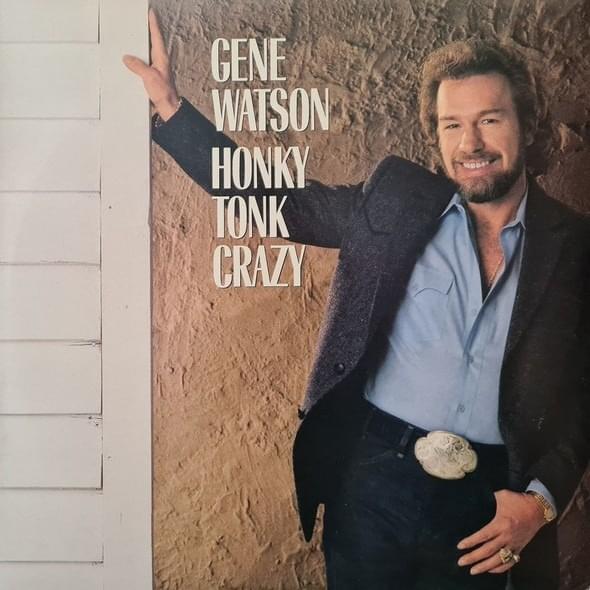
 View Artist