Song Meaning
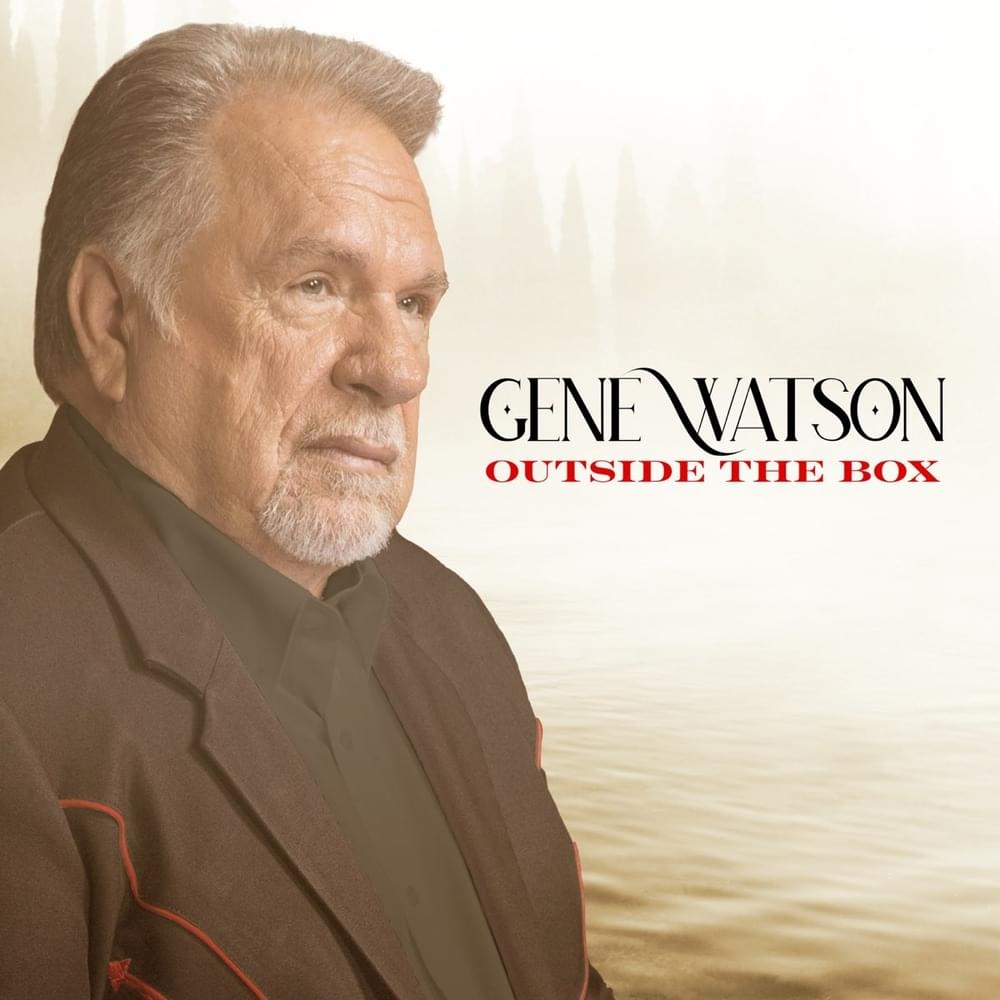
Gene Watson's "Loneliness Is Eating Me Alive" isn't just a country lament; it's a stark psychological portrait of grief and desperation. The track excavates the hollowness left in the wake of a lover's departure, transforming the domestic space into a haunting echo chamber. The lyrics bypass subtle metaphors, opting instead for a raw, almost visceral depiction of emotional decay. Watson doesn't just feel sad; he's being consumed, devoured by the very absence he's trying to articulate. The house, once a symbol of shared life, is now a monument to solitude, its growing size amplifying, rather than cushioning, the pain. This plays on the classic psychological theme of external environments reflecting internal states. The bigger the house, the harder the tear falls, suggesting material possessions offer no solace against emotional devastation.
What elevates "Loneliness Is Eating Me Alive" beyond a simple breakup song is its implicit plea, laced with a thread of self-awareness. It's not merely a demand for a return, but a fragile offer of change, however incomplete. The urgency in Watson’s voice—the repeated entreaty to "hurry"—underscores the fear of irreversible damage. He knows his flaws, acknowledges he "may not change completely," yet extends an olive branch, a testament to the strength of the bond that remains. The loneliness isn't just a feeling; it's an active force threatening to extinguish any hope of reconciliation.
The song's enduring power rests in its brutally honest depiction of vulnerability. Watson isn't projecting blame or wallowing in self-pity. He's laying bare the corrosive effects of isolation, presenting a scenario where love, however imperfect, is the only antidote. The slide guitar solo serves as a poignant instrumental break, mirroring the wavering emotions and the sense of yearning that words alone cannot fully capture. Ultimately, "Loneliness Is Eating Me Alive" is about the primal human need for connection and the devastating consequences when that connection is severed. It's a raw, unflinching exploration of the void left behind, solidifying the song's place as a cornerstone of heartache anthems.
 View Artist