Song Meaning
Gene Watson's "You Sure Make Cheatin' Seem Easy" doesn't glorify infidelity; it dissects the self-deception that enables it. The song's power lies in its unflinching portrayal of a man caught between desire and duty, fully aware of his transgression yet powerless to resist. He acknowledges his "better judgement was gone," suggesting a moment of weakness exploited, not a conscious decision made in cold blood. There's a subtle but crucial distinction between blaming the other woman and admitting his own culpability, however seduced he may feel. Watson's delivery adds a layer of world-weariness, hinting at past mistakes and a pattern of rationalization.
The repeated line, "You've got a way of makin' wrong seem right," isn't necessarily a compliment to the woman. It's more likely a projection of the narrator's own internal struggle. He needs to believe she possesses some irresistible power to alleviate his guilt. This echoes classic cognitive dissonance – the discomfort of holding conflicting beliefs (loyalty to his wife vs. attraction to another) – which he resolves by bending his moral compass. The phrase "takin' it easy tonight" drips with irony. He's not truly at ease; he's simply choosing temporary pleasure over long-term consequences, a classic avoidance strategy.
Beneath the surface of smooth countrypolitan, the lyrics hint at a deeper malaise. The lines "My conscience just took a vacation / 'Cause my heart was beating in chains" paint a picture of a man trapped in a loveless marriage. Cheating, in this context, becomes a desperate attempt to escape emotional confinement, however misguided. The stark reality of "We're both a mister and missess / But we've got two different last names" underscores the inherent deception and the fragile, unsustainable nature of the affair. "You Sure Make Cheatin' Seem Easy" isn't just about the act of infidelity, it's about the psychological gymnastics required to justify it.
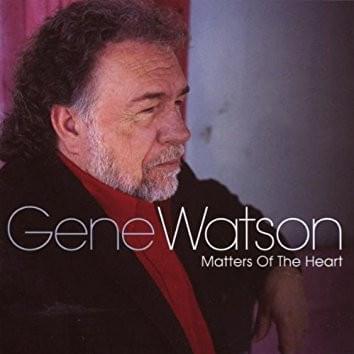
 View Artist