Song Meaning
Gene Watson's "The New York Times" isn't just a country lament; it's a poignant exploration of aspiration, disillusionment, and the chasm between romantic ideals and stark reality. The song’s central metaphor – the New York Times – represents something far beyond a newspaper. It embodies a lifestyle, a cultural yearning, and a perceived sophistication that Watson's partner craves, leaving behind the perceived simplicity of her rural life. The lyrics sketch a portrait of a woman whose ambitions overshadow the love offered by a 'country boy,' suggesting a fundamental incompatibility rooted in differing values and desires. She chases a dream, a phantom of fulfillment promised by the glittering mirage of urban life. The phrase 'looking for the New York Times' becomes a coded expression for seeking a richer, more stimulating existence, even if it means sacrificing genuine connection.
The narrative unfolds as a classic tale of heartbreak, but it avoids simple victimhood. Watson doesn't portray himself as purely wronged; there's an implicit understanding that he couldn't offer what his partner truly desired. His journey to New York, a desperate attempt to win her back, highlights the extent of his love but also underscores the futility of his quest. Searching 'every street' and even 'the Lone Star Cafe' (a brief Texas touchstone in this northern search) demonstrates a relentless yet misguided pursuit. He's lost in a world he doesn't understand, mirroring his emotional displacement. The lyrics touch on the psychological impact of abandonment and the obsessive nature of heartbreak, as seen in his willingness to 'run an ad in the New York Times' – a desperate, almost absurd gesture born from grief.
The song’s emotional core lies in the contrast between the narrator's raw vulnerability and the cold indifference of the city. The plea, 'New York City, won't you have a little pity,' is a stark acknowledgement of his powerlessness against the forces of ambition and change. Standing 'a broken man in the middle of Central Park,' he becomes a symbol of the casualties left in the wake of chasing dreams. "The New York Times" ultimately speaks to the universal human experience of longing, the pain of unrequited desire, and the often-harsh collision between romanticized ideals and the complexities of real life. It's a sophisticated take on heartbreak, wrapped in the accessible package of classic country storytelling.
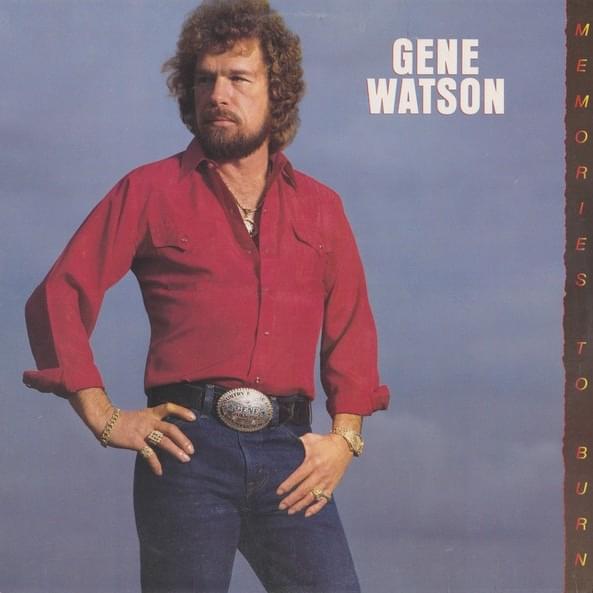
 View Artist