Song Meaning
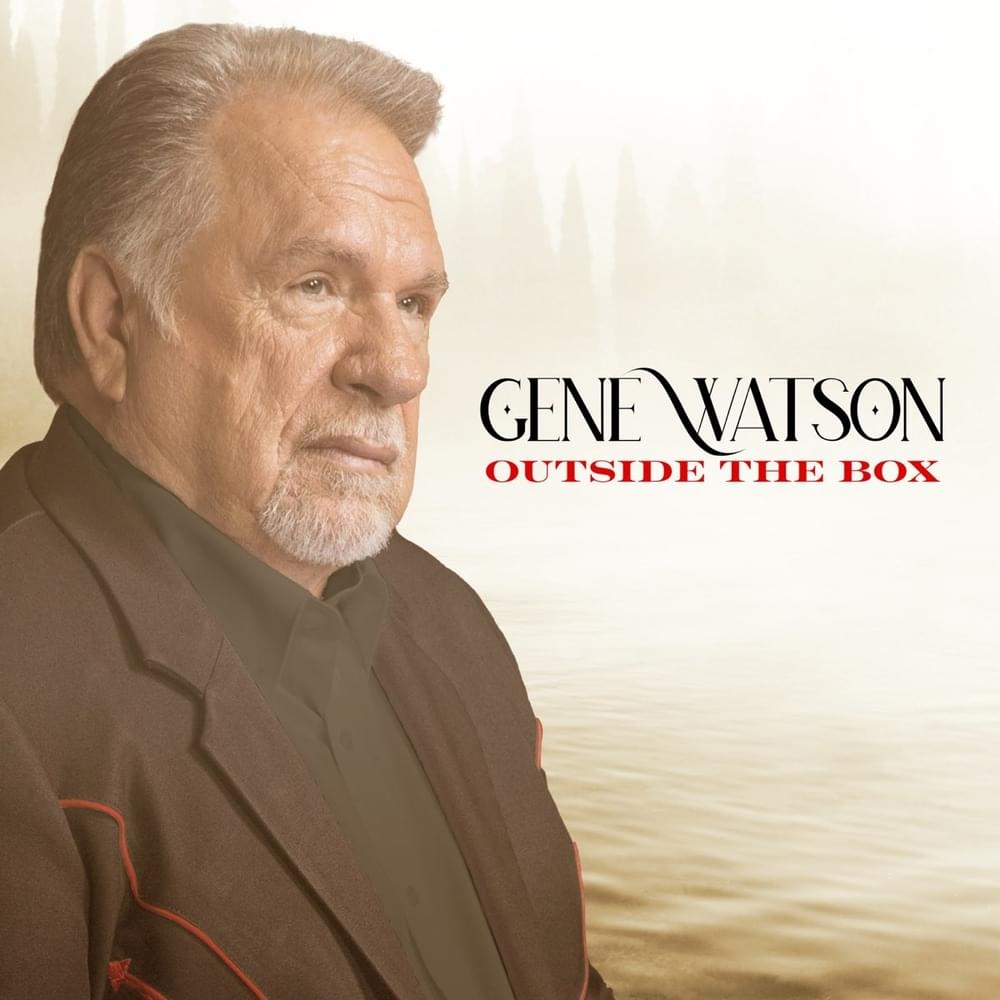
Gene Watson's "It Looked Good On Paper" isn't just a country lament; it's a post-mortem on romantic idealism versus the cold, hard realities of commitment. The song meaning revolves around the chasm between intention and outcome, the space where "always and forever" disintegrates into legal jargon and the stark realization that vows, once sacred, are now just "words on a page." The opening verse, with its discovery of old letters, immediately establishes a sense of melancholic excavation, a poignant revisiting of promises made when love felt invincible. It sets up the central irony: the tangible artifact of affection now serves as a painful reminder of its expiration.
The chorus is the song's emotional core, a simple yet devastating admission of failure. "It looked good on paper / But it all changed somehow" encapsulates the baffling nature of heartbreak. The lyrics don't point fingers or assign blame; instead, there's a shared sense of bewilderment. Both parties, it seems, entered the relationship with genuine intentions, a desire to "honor our vows." This acknowledgment elevates the song beyond a simple breakup anthem, transforming it into a meditation on the fragility of human connection and the unpredictable currents of life. The repetition of "Now we're saying that we don't / After swearing we do" underscores the crushing weight of broken promises.
The second verse further emphasizes the dehumanizing aspects of divorce. The reference to the "stiff-collared lawyer and a judge in a courtroom" highlights how a deeply personal commitment is ultimately reduced to a legal transaction. A "lifetime commitment" becomes just "words on a page," a sentiment that resonates with anyone who has experienced the cold, impersonal machinery of the legal system. Ultimately, Gene Watson’s song is not just about a failed marriage; it's a reflection on how societal structures and the passage of time can erode even the most well-intentioned human bonds, leaving behind only the ghost of what "looked good on paper."
 View Artist