Song Meaning
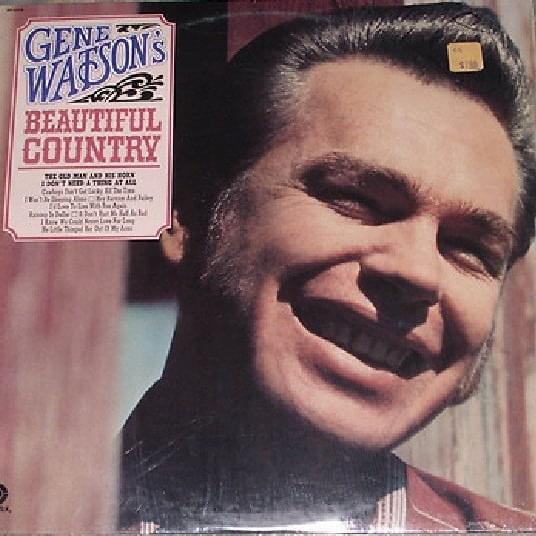
Gene Watson's "I'd Love To Live With You Again" is a masterclass in country music's bread and butter: the agonizing push-and-pull of desire and moral consequence. Watson, a voice synonymous with heartbreak, doesn't just sing about wanting an ex back; he dissects the self-inflicted wounds that make reconciliation impossible. The track hinges on a paradox, a simultaneous yearning and self-loathing that traps the narrator in a prison of his own making. The repeated line, "Oh, I'd love to live with you again, but then I couldn't live with me," lays bare the core conflict: the allure of rekindled romance versus the irreparable damage to his self-worth. This isn't just about lost love; it's about the cost of compromise.
The song meaning deepens with the stark realization that something fundamental has shifted. It's not simply that the relationship ended, but that infidelity (implied by the line "But still the thrill is gone because another has been there") has poisoned the well. The narrator acknowledges the enduring physical attraction ("Your lips are as soft as ever and so is your hair"), yet recognizes that the emotional and spiritual connection is irrevocably fractured. He's not just rejecting her; he's rejecting a version of himself that would settle for a love tainted by betrayal. The internal struggle is palpable, a war between immediate gratification and long-term self-respect.
Ultimately, "I'd Love To Live With You Again" resonates because it taps into a universal fear: the fear of losing oneself in the pursuit of love. Watson's plaintive delivery underscores the profound sadness of choosing integrity over desire. The lyrics analysis reveals a man grappling with the long shadow of his past, understanding that some bridges, once burned, cannot be rebuilt without sacrificing a piece of his soul. It's a mature, unflinching exploration of love's complexities, where the greatest battle isn't against a lost lover, but against one's own flawed nature.
 View Artist