Song Meaning
Gene Watson's "Hey Barnum and Bailey" isn't just a country lament; it's a stark portrayal of a man facing the wreckage of his life, desperately seeking an escape, even if that escape involves self-deprecation. The lyrics paint a picture of a man brought low – evicted, subsisting on the bare minimum, and relying on the charity of friends. This isn't the typical tale of heartbreak; it’s about the complete unraveling of a life he thought he knew. The repeated plea, "Hey Barnum and Bailey, can you use one more clown?" isn’t a whimsical job application; it's a raw, almost pathetic, admission of feeling like a fool, a spectacle, a caricature of a man. He's not just heartbroken; he's humiliated. The circus, in this context, becomes a metaphor for the absurdity and chaos he perceives in his own existence. It's a place where he can, perhaps, find a warped sense of belonging among other performers, other 'clowns.'
The willingness to "paint my face with a big ol' smile" and don the "big red nose" speaks volumes about the character's internal state. It's a performative masking of profound pain, a desperate attempt to conform to a role, even if that role is one of self-mockery. He acknowledges that he won't need practice, already being "the biggest fool in town," underlining the depth of his self-loathing and the feeling that he's been playing the fool in his own life all along. This isn't about finding joy in clowning; it's about finding a space where his perceived foolishness is not only accepted but expected, even celebrated, paradoxically offering a strange kind of solace.
The bridge, "My whole life's been a three ring circus, yeah, it's been one big joke," is the crux of the song's meaning. It reframes his entire existence as a source of amusement for others, a spectacle of misfortune. The line "Every time I had something going, it's always ended up in smoke" adds a layer of fatalism, suggesting a pattern of failure and disappointment that has led him to this point of resignation. "Hey Barnum and Bailey" is, at its core, a poignant exploration of vulnerability and the human need to find purpose, or at least a place, even in the midst of profound personal crisis. It's a song about the dark side of humor, the way we sometimes use laughter to mask the pain of a life that feels increasingly like a joke we don't understand.
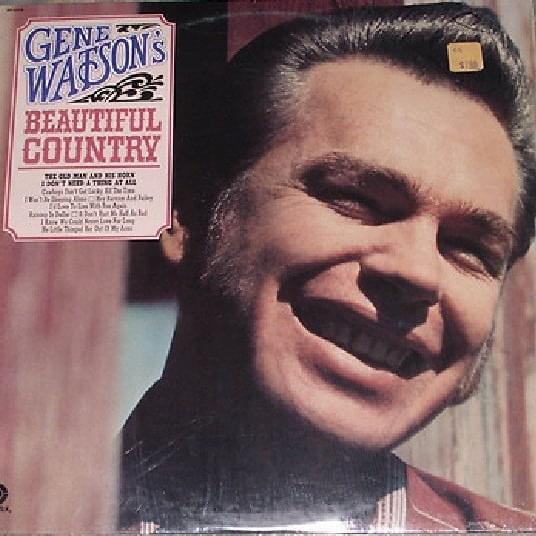
 View Artist