Song Meaning
Gene Watson's "He Little Thinged Her Out of My Arms" is a masterclass in understated heartbreak, a slow burn of regret seasoned with the bitter realization that grand gestures often pale in comparison to the quiet power of consistent affection. The song's central conceit—that the narrator lost his love not to some spectacular rival, but to a man who simply paid attention to the "little things"—cuts deep. It's a particularly stinging indictment of a certain brand of masculine pride, the kind that assumes love is a given, a right earned through material provision rather than nurtured through emotional attentiveness. The lyrics paint a vivid contrast: mansions versus flowers, Paris versus sunsets. The narrator offered her the world, while his competitor offered her moments. He focused on scale, while the other man focused on intimacy. The tragedy lies not just in the loss, but in the narrator's belated understanding of what truly mattered.
The repetition of the line "I always thought she knew I loved her / Though I never told her so" serves as the song's emotional anchor. It's a confession of profound misjudgment, a recognition that love, unspoken, can wither and die. The phrase "little thinged her out of my arms" itself is a stroke of lyrical genius. It's folksy, almost quaint, yet it encapsulates a deeply modern anxiety: the fear of being outmaneuvered not by grand schemes, but by the subtle, daily acts of connection that build and sustain relationships. The song implies that the competitor didn't 'steal' her with some grand act of seduction, but that he incrementally won her over with a series of small, meaningful gestures.
Ultimately, "He Little Thinged Her Out of My Arms" resonates because it speaks to a universal fear: the fear of taking love for granted. It's a cautionary tale about the dangers of emotional complacency, a reminder that love is not a static achievement but a dynamic process that requires constant cultivation. The song's power lies not in its complexity, but in its simple, direct articulation of a profound human truth: that the most valuable things in life are often the smallest, and that neglecting them can have devastating consequences. Watson’s delivery, with its characteristic blend of vulnerability and stoicism, only amplifies the song's emotional impact, making it a timeless exploration of love, loss, and the enduring power of the little things.
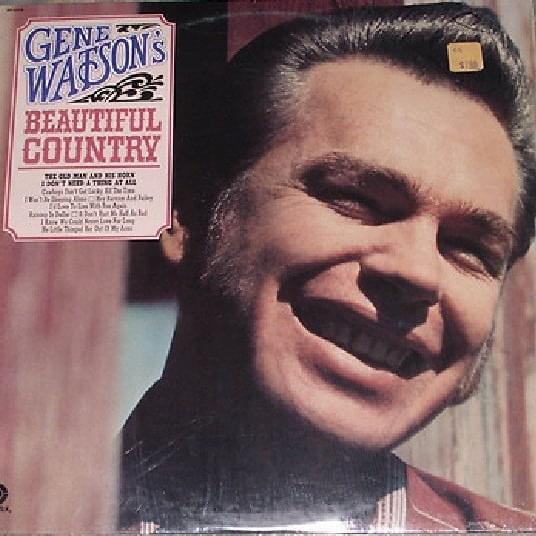
 View Artist