Song Meaning
Gene Watson's "Getting Used To Being Loved Again" isn't just a country ballad; it's a psychological portrait of a heart cautiously re-opening. The song delicately explores the tentative steps one takes after enduring heartbreak, a process of emotional rehabilitation where vulnerability feels foreign and trust is a muscle that's atrophied. Watson's strength lies in his understated delivery, perfectly capturing the protagonist's fragile hope. The lyrics aren't about instant, explosive joy, but rather a gradual re-acquaintance with feelings long dormant. It speaks to anyone who's ever built walls around themselves, only to find the view from within a little too bleak.
The genius of the song meaning lies in its simplicity. The repeated question, "Am I getting used to being loved again?" highlights the internal conflict at the song's core. It's not a statement of fact, but an anxious inquiry, a hesitant dipping of toes back into the waters of affection. The contrast between the protagonist's past (where faking a smile was the best he could manage) and his present (where he's laughing out loud) underscores the transformative power of love. But even this joy is tempered with a sense of disbelief, as if he's waiting for the other shoe to drop. This isn't naive optimism; it's hard-won hope.
The bridge offers a crucial insight: "Maybe I just needed someone here to help me find/That love won't always break a heart in two." This reveals the core wound – a past experience that shattered the protagonist's belief in love's potential for good. The 'old familiar tune moving up and down my spine' suggests a reawakening of dormant emotions and physical sensations associated with intimacy and affection. The song's brilliance lies in its recognition that healing from heartbreak isn't a linear process. It's about rediscovering the capacity for trust, relearning how to be vulnerable, and, ultimately, getting used to the unfamiliar sensation of being loved again.
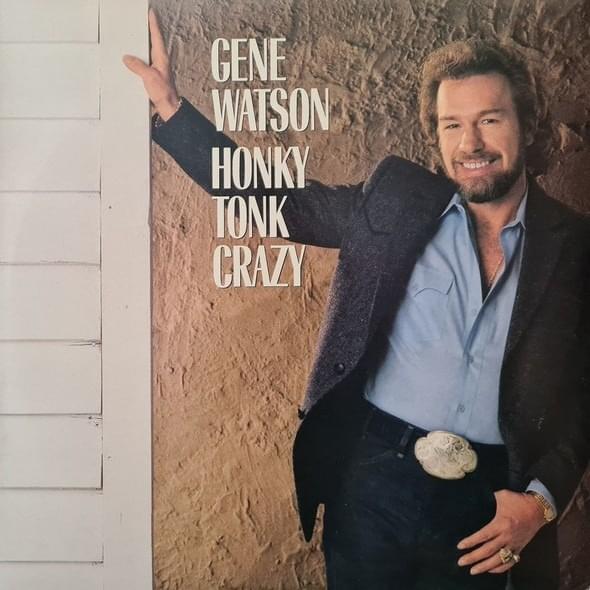
 View Artist