Song Meaning
Gene Watson's "And Then You Came Along" isn't just another country ballad; it's a study in emotional transformation. The song dissects the psychology of a heart previously shielded from genuine connection. Watson paints a portrait of someone accustomed to fleeting encounters, “locked in passion’s warm embrace” devoid of any real emotional investment. Love, in this context, is an unwelcome intruder, “really out of place.” The operative word here is 'place' because the singer's life has a designated location for love, and that location is *elsewhere*. This sets the stage for the seismic shift that the titular 'you' represents.
The turning point arrives, not with a grand declaration, but with the subtle intrusion of “sweet dreams walking through my mind.” It’s a gentle subversion, a disruption of the established order. The lyrics analysis reveals a profound shift from a detached existence to one where vulnerability creeps in. The singer admits to a past where there was “never any voice in me telling me that I should change.” This isn’t about moral failing; it’s about a deeply ingrained resistance to commitment, a preference for being “loose and fancy free.”
Ultimately, "And Then You Came Along" is a testament to love's disruptive power. It's not merely about finding love, but about the internal revolution that occurs when a previously guarded heart unexpectedly opens. The simplicity of the lyrics belies the complex emotional landscape being explored. The understated delivery only amplifies the authenticity, making it a poignant exploration of how a single person can rewrite the entire narrative of another's life. True love, once a distant concept, becomes an encroaching reality, forever altering the singer's perception of self and relationships.
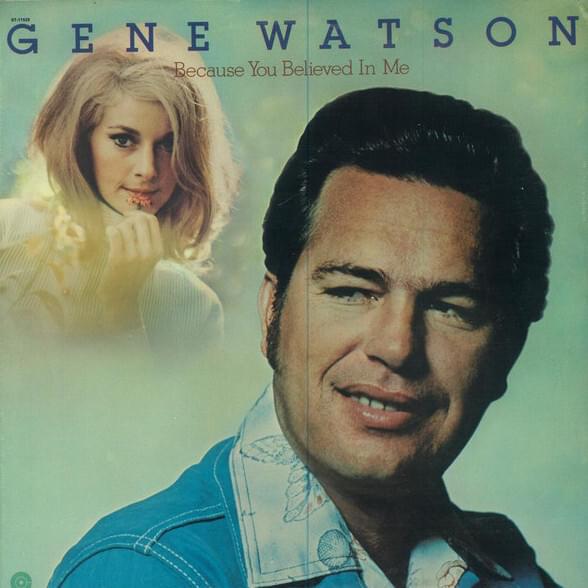
 View Artist